
How Swiss Lathes for Sale Can Increase Production Efficiency
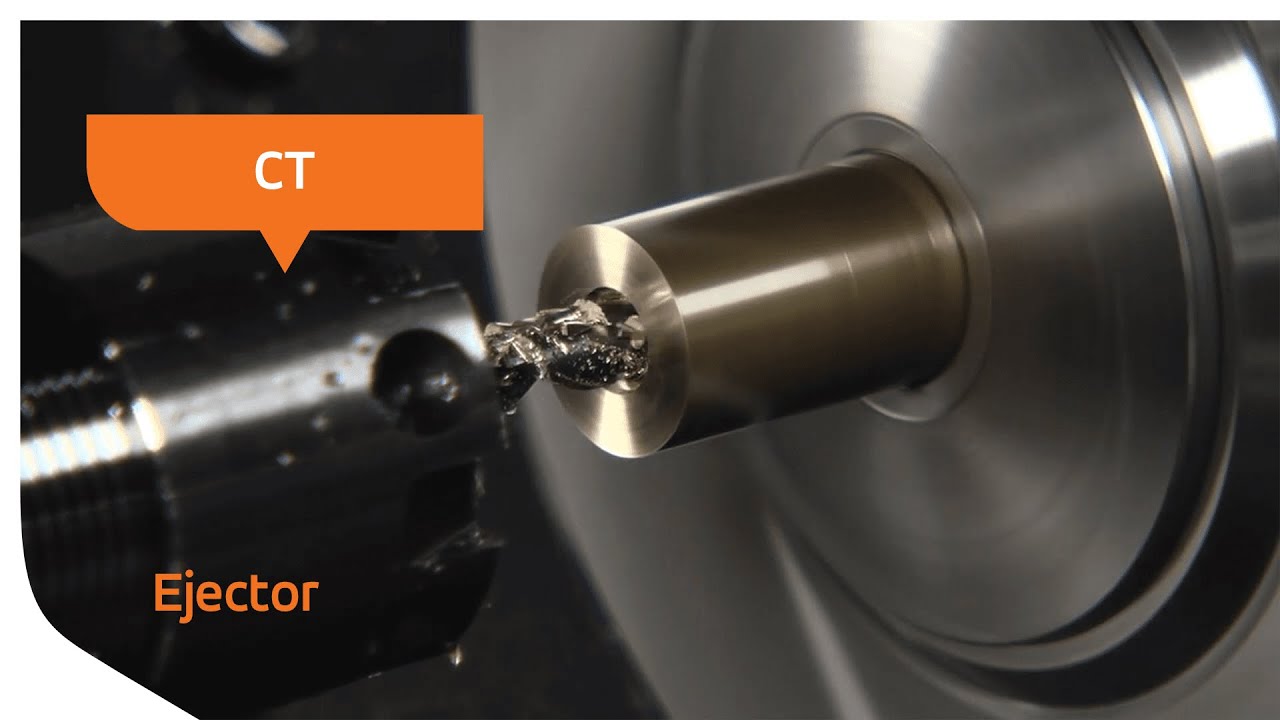
In modern manufacturing, efficiency is critical for meeting production deadlines, reducing costs, and maintaining competitiveness. Swiss lathes have become a valuable asset for workshops aiming to enhance productivity without compromising precision. By integrating advanced machining capabilities with automation, these machines streamline operations and allow manufacturers to achieve more in less time.
Streamlined Multi-Operation Machining
A swiss lathe for sale offers the ability to perform multiple operations in a single setup. Unlike traditional lathes, Swiss lathes can execute turning, threading, drilling, and milling simultaneously. This consolidation reduces the need for multiple machines or repeated part handling, which not only speeds up production but also minimizes errors. Streamlined operations allow workshops to maintain consistent quality while increasing the number of parts produced per shift.
Automation and Reduced Manual Intervention
Modern Swiss lathes incorporate advanced CNC controls, bar feeders, and tool automation systems. These features reduce manual intervention and allow machines to operate continuously, even unattended in some cases. Automation improves cycle times, ensures consistent performance, and minimizes operator fatigue. By reducing reliance on manual processes, workshops can achieve higher throughput with fewer mistakes and less downtime.
High Precision Minimizes Rework
Precision is a key factor in production efficiency. Swiss lathes are designed with guide bushing support, rigid frames, and high-accuracy spindles that maintain tight tolerances. Consistently accurate machining reduces the need for rework, scrap, and secondary finishing operations. Less rework not only saves time and materials but also ensures that production schedules remain on track, enhancing overall workflow efficiency.
Optimized Workflow and Part Handling
Integration with automated bar feeders and robotic handling systems further enhances production efficiency. Swiss lathes can be set up to continuously load, machine, and unload parts without frequent operator intervention. This optimized workflow reduces idle time, improves machine utilization, and allows operators to focus on other critical tasks. Efficient material handling is especially beneficial for high-volume production, where even small delays can significantly impact output.
Flexibility for Complex Parts
Swiss lathes are highly versatile, capable of machining complex geometries and a wide range of materials, from metals to plastics. This flexibility allows workshops to produce multiple part types on a single machine, reducing the need for dedicated equipment and setup changes. The ability to switch quickly between different operations or components enhances production scheduling and minimizes downtime between jobs.
Maintenance and Reliability for Continuous Operation
A well-maintained Swiss lathe ensures long-term reliability and uninterrupted production. Regular servicing, combined with robust construction and durable components, reduces the likelihood of unexpected breakdowns. Reliable machines maintain high efficiency by keeping production lines running smoothly and avoiding costly downtime. Investing in quality equipment thus directly contributes to sustained production performance.
Cost Savings Through Efficient Operation
In addition to improving speed and precision, Swiss lathes help lower operational costs. Reduced scrap, minimized rework, and fewer machine changeovers contribute to cost savings. Energy-efficient motors and optimized CNC programs further enhance efficiency by lowering power consumption and tool wear. Overall, these factors make Swiss lathes a cost-effective solution for increasing production without compromising quality.
Conclusion
Swiss lathes for sale provide significant advantages for manufacturers looking to enhance production efficiency. Through multi-operation capabilities, automation, high precision, optimized workflow, and flexibility for complex parts, these machines streamline operations and reduce wasted time and resources. By investing in a high-quality Swiss lathe, workshops can improve throughput, maintain consistent product quality, and achieve long-term operational efficiency, making it a strategic choice for modern manufacturing environments.