
How a pH Sensor for Water Helps Detect Water Source Contamination
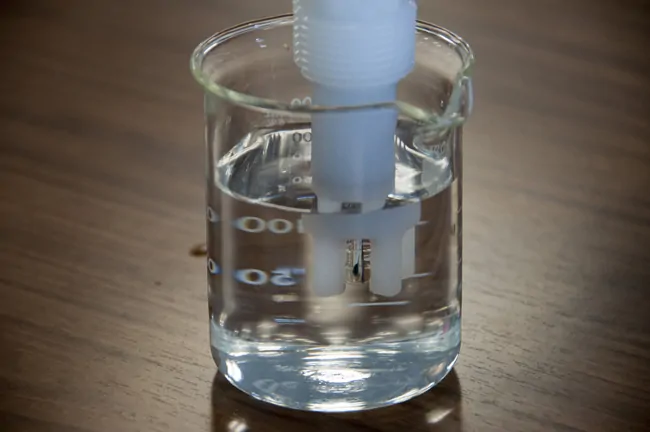
Ensuring safe and clean water is a critical concern for communities, industries, and environmental agencies. Contaminated water sources can pose serious health risks, damage ecosystems, and disrupt industrial operations. One of the key indicators of water contamination is a change in pH levels. Monitoring pH can provide early warning signs of pollution or chemical imbalance, making it an essential part of water quality management.
Water sources can be affected by natural processes, such as mineral leaching, rainfall, or organic decomposition, as well as human activities including industrial discharge, agricultural runoff, and sewage contamination. Detecting these changes quickly is vital for preventing long-term harm to ecosystems, public health, and infrastructure. Traditional water testing methods, while effective, often require time-consuming sampling and laboratory analysis. In contrast, real-time monitoring with advanced sensors enables immediate action when abnormal conditions are detected.
A pH Sensor for Water allows for continuous monitoring of hydrogen ion concentration, providing accurate and instant readings of water acidity or alkalinity. When integrated into rivers, lakes, reservoirs, or industrial water systems, these sensors can detect subtle shifts in pH that may indicate contamination. Early detection enables authorities and operators to implement corrective measures, such as isolating polluted water, adjusting treatment processes, or notifying affected communities.
Why pH Monitoring is Critical for Contamination Detection
Changes in pH can signal the presence of contaminants such as heavy metals, chemical spills, or microbial activity. For instance, acidic water may indicate acid rain runoff, mining effluent, or industrial chemicals entering the water source. Conversely, elevated pH levels might point to alkaline discharges or excess treatment chemicals. Continuous pH monitoring provides a clear indication of such abnormalities, often before visible signs of contamination appear.
Furthermore, pH levels influence the solubility and mobility of pollutants in water. Certain harmful compounds are more soluble in acidic conditions, increasing the risk of bioaccumulation in aquatic life. Maintaining awareness of pH changes enables environmental managers to assess the potential impact on ecosystems and take proactive steps to mitigate contamination risks.
Applications of pH Sensors in Water Source Protection
pH sensors are used across multiple sectors to safeguard water quality:
- Municipal Water Supply: Ensures drinking water remains within safe pH limits and complies with regulatory standards.
- Industrial Water Systems: Monitors process water for contamination from chemicals or byproducts.
- Environmental Monitoring: Detects pollution events in rivers, lakes, and reservoirs, supporting ecosystem protection.
- Agricultural Water Management: Prevents contaminated irrigation water from harming crops or entering the food chain.
- Emergency Response: Provides early warnings in case of chemical spills or accidental discharge events.
In all these applications, real-time monitoring enhances response capabilities, reduces potential harm, and maintains public trust.
Benefits of Using High-Quality pH Sensors
High-quality pH sensors offer several advantages in contamination detection:
- Accuracy: Provides reliable readings essential for identifying subtle pH changes.
- Real-Time Data: Detects contamination events as they occur, enabling prompt action.
- Durability: Performs reliably in varied water conditions, including flowing rivers, reservoirs, and industrial tanks.
- Low Maintenance: Reduces the need for frequent manual testing while ensuring continuous monitoring.
- Integration with Automation Systems: Allows alerts and automated responses in water treatment plants and monitoring networks.
By providing consistent, dependable data, these sensors are invaluable tools for proactive water source protection.
Maintenance and Calibration for Reliable Performance
To ensure accurate pH measurement, sensors must be calibrated regularly using standard buffer solutions. Routine cleaning prevents buildup from biofilm, minerals, or chemical residues, which can interfere with readings. Proper storage and handling further extend sensor life and maintain performance. Following these practices ensures that water quality data remains reliable for early detection of contamination.
The Role of pH Monitoring in Public Health and Environmental Protection
Continuous pH monitoring helps safeguard human health by preventing exposure to contaminated water. It also supports the protection of aquatic ecosystems by identifying pollution before it causes widespread damage. By tracking pH trends over time, environmental managers and industries can identify pollution sources, improve treatment protocols, and implement long-term water management strategies.
Conclusion
A pH sensor for water is an essential tool for detecting water source contamination. By providing real-time, accurate readings, these sensors enable early detection of pollutants, support rapid response actions, and help maintain safe and healthy water systems. Integrating pH monitoring into water management programs protects public health, preserves ecosystems, and ensures sustainable use of water resources.