
How pH Sensors Help Prevent Corrosion in Industrial Systems
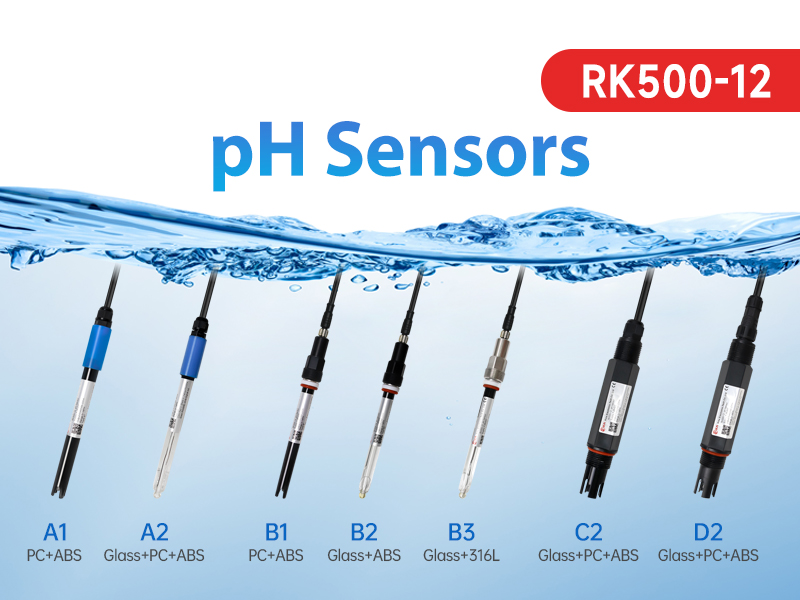
Corrosion is a major concern in industrial systems, affecting pipelines, tanks, and equipment across chemical plants, water treatment facilities, and manufacturing operations. Left unchecked, corrosion can lead to costly repairs, operational downtime, and safety hazards. Monitoring and controlling the pH of process fluids is a key strategy to minimize corrosion risks. pH sensors provide accurate, real-time data that allow operators to maintain conditions that protect infrastructure and optimize system performance.
The Role of pH in Corrosion Control
The acidity or alkalinity of a solution directly influences the rate of metal degradation. Highly acidic or highly alkaline conditions can accelerate corrosion, damaging equipment and reducing its lifespan. By tracking pH levels, industrial operators can implement corrective measures to stabilize the environment. Many facilities use pH sensors for continuous monitoring, allowing timely adjustments of chemicals, inhibitors, or neutralizing agents to prevent damage before it occurs.
Applications in Water Treatment
Water treatment systems are particularly vulnerable to corrosion due to variable pH levels. Acidic water can erode pipes and pumps, while highly alkaline water may lead to scaling. Continuous monitoring with pH sensors enables facilities to maintain optimal water chemistry, protecting infrastructure and ensuring safe delivery. Automated dosing systems can respond to real-time sensor data, adjusting pH to prevent corrosion and extend the service life of equipment.
Chemical and Petrochemical Industries
Industrial processes often involve corrosive chemicals that can damage storage tanks, reactors, and piping systems. pH sensors provide a critical line of defense by allowing operators to maintain conditions that minimize corrosion risk. For example, in chemical manufacturing, neutralizing acids or controlling alkaline concentrations can prevent costly equipment failures. Continuous pH monitoring ensures that protective measures are effective and consistent.
Power Generation and Cooling Systems
Power plants and industrial cooling systems rely on water as a heat transfer medium. Improper pH levels can lead to corrosion of boilers, condensers, and cooling towers. pH sensors help maintain the correct chemical balance, preventing metal degradation and ensuring operational efficiency. Monitoring allows for proactive adjustments in real time, reducing maintenance costs and avoiding unscheduled shutdowns.
Food and Beverage Industry
In food and beverage processing, pH not only affects product quality but also equipment longevity. Highly acidic or basic cleaning solutions and process fluids can accelerate corrosion in stainless steel equipment. pH sensors allow operators to control acidity levels, ensuring that cleaning cycles are effective while minimizing damage to machinery and storage tanks.
Integrating pH Sensors with Automation
Modern industrial systems increasingly integrate pH sensors with automated control platforms. Real-time data from sensors can trigger chemical dosing pumps or alert maintenance teams to deviations in pH levels. This proactive approach minimizes human error, maintains consistent chemical conditions, and provides documentation for regulatory compliance and quality assurance.
Maintenance and Calibration for Accurate Monitoring
For pH sensors to effectively prevent corrosion, they must deliver reliable readings. Routine maintenance, calibration, and proper storage are essential. Regular cleaning of the sensor membrane and inspection of the reference electrode ensure accurate measurements. Proper handling extends sensor life and guarantees that corrosion prevention measures are based on dependable data.
Benefits of pH Monitoring in Corrosion Prevention
By maintaining the correct pH, industrial facilities reduce the rate of metal degradation, extend equipment lifespan, and lower maintenance and repair costs. Continuous monitoring also enhances safety by preventing leaks or failures caused by corrosion. In addition, maintaining optimal pH levels improves process efficiency, product quality, and regulatory compliance.
Conclusion
pH sensors are a vital tool in industrial corrosion prevention, providing real-time, accurate measurements that support proactive maintenance and process control. From water treatment and chemical manufacturing to power generation and food processing, these sensors help maintain conditions that protect equipment, reduce downtime, and optimize operational efficiency. Implementing reliable pH monitoring ensures that industrial systems remain safe, durable, and cost-effective over the long term.