How a pH Sensor Supports Compliance With Environmental Regulations
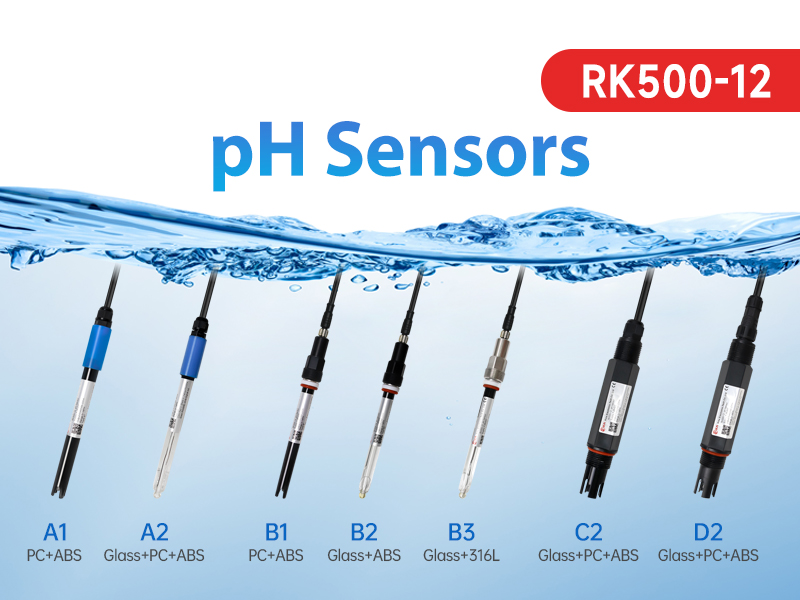
Maintaining environmental compliance is a critical responsibility for industries, municipalities, and research institutions. One of the key parameters monitored in environmental management is pH, which reflects the acidity or alkalinity of water, soil, and wastewater. Deviations from acceptable pH levels can indicate pollution or chemical imbalance, making accurate monitoring essential for meeting regulatory standards and protecting ecosystems.
A pH sensor provides precise measurements of hydrogen ion concentration, enabling organizations to monitor environmental conditions continuously. This capability is vital for detecting pollution events, assessing treatment processes, and ensuring that discharges meet legal limits. By delivering reliable data, pH sensors help prevent violations, fines, and potential environmental damage.
A pH sensor integrated into environmental monitoring systems allows for real-time tracking of water and wastewater streams. In industrial facilities, municipal treatment plants, and environmental field studies, these sensors provide immediate feedback on pH levels. This enables timely corrective actions, such as adjusting chemical dosing or modifying processes to maintain compliance with environmental regulations.
Importance of pH in Environmental Compliance
Regulatory agencies establish pH limits for water bodies, wastewater discharges, and industrial effluents to protect ecosystems and public health. Water that is too acidic or too alkaline can harm aquatic life, reduce biodiversity, and interfere with natural biochemical processes. Monitoring pH ensures that industrial operations, wastewater treatment, and environmental remediation projects adhere to these requirements.
Applications in Water and Wastewater Monitoring
Water treatment plants and wastewater facilities rely on pH sensors to maintain safe discharge levels. Continuous pH monitoring helps operators optimize neutralization processes, chemical dosing, and filtration systems. Early detection of abnormal pH prevents the release of untreated or improperly treated water into rivers, lakes, or municipal water supplies. This proactive approach supports regulatory compliance and safeguards both human and ecological health.
Industrial Use for Regulatory Compliance
Industries such as chemical manufacturing, food processing, and pharmaceuticals often generate wastewater with varying pH levels. Environmental regulations require that these discharges meet specific pH standards before entering natural water bodies. Installing pH sensors allows facilities to monitor effluents continuously and implement corrective measures when deviations occur. Automated systems can adjust neutralization processes or trigger alarms, reducing the risk of non-compliance and potential legal penalties.
Field and Environmental Monitoring
Environmental agencies use pH sensors in lakes, rivers, and groundwater studies to monitor ecological conditions. Changes in pH can indicate pollution events, acid rain effects, or nutrient runoff from agriculture. Accurate measurements provide data for compliance reporting, environmental assessments, and long-term research studies. Portable and in-situ sensors enable flexible and frequent monitoring of remote or sensitive sites.
Advantages of Using pH Sensors for Compliance
- Real-Time Monitoring: Immediate detection of pH fluctuations allows rapid response to potential violations.
- Data Logging and Reporting: Sensors often integrate with software to document compliance for regulatory inspections.
- Process Optimization: Continuous monitoring helps maintain treatment systems within required limits, reducing chemical waste.
- Preventive Action: Early detection minimizes environmental impact and protects against fines or legal action.
These benefits make pH sensors indispensable for organizations striving to meet environmental obligations efficiently.
Maintenance and Accuracy
Ensuring that pH sensors provide reliable data requires proper maintenance and calibration. Regular calibration with buffer solutions, cleaning of electrodes, and correct storage prevent drift and fouling. Accurate sensors are critical for producing credible compliance data and avoiding false readings that could lead to regulatory issues.
Conclusion
A pH sensor is a fundamental tool for supporting compliance with environmental regulations. By providing accurate, real-time measurements of water and wastewater acidity or alkalinity, these sensors enable organizations to maintain safe discharge levels, optimize treatment processes, and detect potential contamination early. Regular maintenance and proper calibration ensure continued reliability, making pH sensors a vital component of effective environmental management and regulatory adherence.