Custom-Built Lorry Loading Conveyors for Specialized Needs
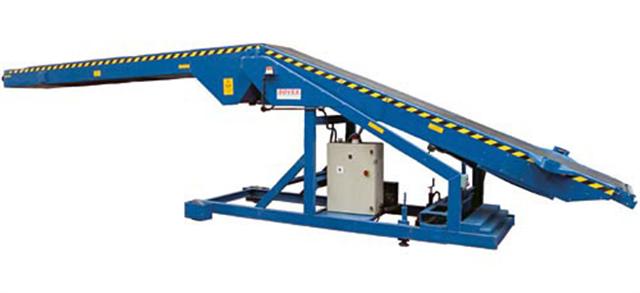
In modern warehouses and logistics operations, efficiency and precision in loading goods into trucks are critical. Standard lorry loading conveyors serve most routine operations effectively, but many industries handle unique cargo types, irregular packages, or require specialized loading conditions. For such requirements, custom-built lorry loading conveyors provide the flexibility, durability, and functionality necessary to meet specialized operational needs.
A Lorry Loading Conveyor can be tailored to specific warehouse layouts, vehicle types, and cargo characteristics. Customization allows facilities to address unique challenges such as heavy or oversized loads, irregularly shaped goods, high-volume shipments, or delicate products that require careful handling. By investing in a custom-built system, businesses can enhance operational efficiency, reduce labor costs, and improve safety standards for both operators and cargo.
Understanding Specialized Requirements
Before designing a custom lorry loading conveyor, it is essential to assess the specific requirements of the operation. Factors such as cargo size, weight, packaging type, and handling frequency influence the design and engineering of the system. For example, facilities that handle oversized machinery or pallets may need wider, reinforced belts or rollers and telescopic extensions to reach the far end of a truck bed.
Similarly, delicate products such as electronics, glassware, or perishable items require gentle handling. In such cases, conveyors with cushioned belts, slower speeds, or integrated sensors for load monitoring are preferable. Custom systems allow warehouses to incorporate these features directly into the conveyor design, ensuring that operational efficiency and safety are maintained.
Structural Design and Durability
Custom-built lorry loading conveyors are engineered to withstand the unique stresses and demands of specific operations. High-strength materials, reinforced frames, and industrial-grade motors ensure that the system can handle heavy or frequent loads without compromising performance.
For operations with extreme conditions—such as outdoor loading, exposure to moisture, or abrasive materials—conveyors can be designed with corrosion-resistant coatings, weatherproof components, and specialized rollers or belts. This attention to durability helps extend the lifespan of the system and minimizes downtime caused by maintenance or repairs.
Adjustable and Telescopic Features
Flexibility is a hallmark of custom-built conveyors. Many systems feature adjustable heights and telescopic designs to accommodate different truck sizes and vehicle bed heights. Adjustable conveyors allow operators to maintain ergonomic loading conditions, reducing physical strain and improving workplace safety.
Telescopic conveyors are especially beneficial for long trucks or trailers. They extend into the vehicle, allowing goods to be loaded efficiently without requiring workers to enter the cargo area. Custom engineering ensures that telescopic systems maintain stability under heavy loads and operate smoothly across varying lengths.
Integration with Warehouse Automation
Custom lorry loading conveyors can be designed to integrate seamlessly with other warehouse automation systems. This includes connections to warehouse management software, automated sorting equipment, robotic picking systems, or inventory tracking solutions.
Integration allows for real-time monitoring of loading operations, precise placement of goods, and improved coordination between storage and transportation processes. By combining conveyor automation with warehouse software, operators can optimize throughput, minimize errors, and achieve a more efficient overall logistics workflow.
Safety Considerations
Safety is a critical component in the design of custom lorry loading conveyors. Engineers incorporate features such as emergency stop switches, anti-slip belts, protective side guards, and sensors to detect obstacles or uneven loads. These safety measures reduce the risk of workplace injuries and prevent damage to cargo.
For specialized applications, conveyors may also include load monitoring systems, automatic speed control, or collision prevention mechanisms. Custom safety features ensure that the system operates reliably, even under unique or challenging conditions.
Cost and Return on Investment
While custom-built lorry loading conveyors involve higher initial costs compared to standard systems, the long-term benefits often outweigh the investment. Tailored designs improve operational efficiency, reduce labor requirements, and minimize cargo damage, leading to lower overall operating costs.
Additionally, durable construction and optimized designs reduce maintenance requirements and downtime. For businesses handling specialized or high-value goods, the investment in a custom system enhances productivity, protects cargo, and ensures safe and consistent loading operations.
Conclusion
Custom-built lorry loading conveyors are ideal for warehouses and distribution centers with specialized needs. By tailoring the design to accommodate unique cargo types, vehicle sizes, operational conditions, and automation requirements, businesses can maximize efficiency, safety, and reliability. Features such as adjustable heights, telescopic extensions, reinforced construction, and integration with warehouse systems make these conveyors versatile and durable. Investing in a custom-built lorry loading conveyor ensures that specialized operations are handled smoothly, reducing labor costs, protecting goods, and optimizing material handling processes for long-term success.