Layout and Workflow Planning for ISO Class 5 Cleanrooms
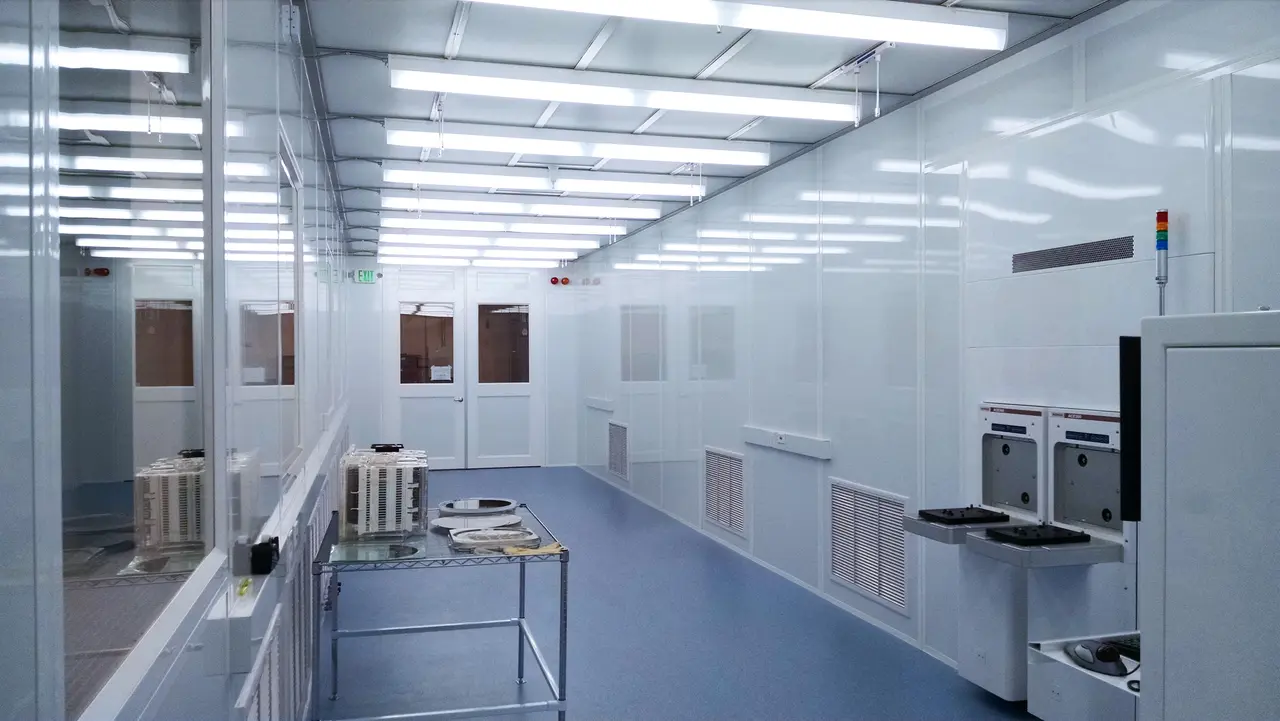
ISO Class 5 cleanrooms are highly controlled environments used in industries such as pharmaceuticals, biotechnology, medical devices, and semiconductor manufacturing. These cleanrooms are designed to maintain extremely low levels of airborne particles, which is critical for ensuring product quality, safety, and regulatory compliance. One of the most important aspects of establishing an effective ISO Class 5 cleanroom is careful planning of layout and workflow. A well-designed layout not only supports contamination control but also maximizes efficiency, safety, and operational flexibility.
Workflow planning in an ISO Class 5 cleanroom involves coordinating personnel movement, material handling, equipment placement, and environmental controls to minimize contamination risks. The layout must ensure that critical operations are performed in the cleanest areas, while non-critical activities are located in less stringent zones. Understanding the design principles and best practices can significantly impact cleanroom performance and compliance. For detailed guidance, resources such as the ISO Class 5 Cleanroom provide in-depth information about classification, design, and operational considerations.
Principles of Cleanroom Layout Design
The layout of an ISO Class 5 cleanroom should prioritize contamination control, operational efficiency, and safety. Key principles include:
- Zoning and Segregation: Areas within the cleanroom are divided based on the level of contamination risk. High-risk zones, such as critical processing areas, require the strictest control, while support areas like gowning rooms, storage, and corridors can have less stringent requirements. Segregation prevents cross-contamination and ensures that sensitive processes occur in the cleanest environment.
- Linear Workflow: A linear or unidirectional workflow minimizes the risk of contamination by reducing backtracking and unnecessary movement of personnel and materials. Tasks should flow logically from lower-risk areas to higher-risk areas, with minimal intersection of clean and less clean activities.
- Material and Personnel Flow: Separate pathways for personnel and materials help prevent contamination. Materials should be introduced through controlled transfer systems such as airlocks or pass-through chambers. Personnel entry points typically include gowning rooms and airlocks to maintain positive pressure and control particulate ingress.
Equipment Placement and Workstation Design
Proper placement of equipment is crucial in an ISO Class 5 cleanroom. Equipment should be positioned to avoid obstructing airflow patterns and to maintain laminar flow in critical areas. Overcrowding can create turbulence and particle accumulation, compromising cleanliness. Workstations and equipment layouts should allow easy cleaning and maintenance access to all surfaces.
Critical equipment, such as laminar flow hoods, aseptic filling units, or biosafety cabinets, should be located in the cleanest areas and aligned with the airflow to prevent particle accumulation. Non-critical equipment can be placed in support zones or along the periphery of the cleanroom. Strategic placement reduces the risk of contamination while supporting efficient operations.
Airflow and Contamination Control Considerations
Airflow design is integral to layout planning in an ISO Class 5 cleanroom. Laminar or unidirectional airflow should sweep across critical areas, carrying particles away from sensitive surfaces. The cleanroom layout must accommodate ceiling-mounted HEPA or ULPA filters and allow uniform distribution of filtered air.
Equipment, workstations, and partitions should be positioned to avoid blocking airflow and creating dead zones. Pressure differentials between cleanroom zones must be maintained to prevent contaminated air from moving into higher-class areas. Effective airflow planning supports both compliance with ISO standards and the overall safety of personnel and products.
Workflow Optimization and Ergonomics
Workflow optimization enhances productivity and minimizes contamination risks. Processes should be organized logically, reducing unnecessary movement, material handling, and interaction between clean and less clean areas. Clear signage, defined pathways, and designated workstations help guide personnel and maintain compliance with operational protocols.
Ergonomic considerations are also important. Workstations should be designed to reduce strain and fatigue for personnel, while ensuring that tasks can be performed efficiently without compromising cleanliness. Adjustable benches, appropriate lighting, and accessible storage contribute to both safety and productivity.
Gowning and Entry Procedures
Gowning areas are a critical component of ISO Class 5 cleanroom layout. Personnel must don appropriate cleanroom attire before entering controlled areas. The layout should support sequential gowning, including handwashing, gown application, and controlled access to high-risk zones. Airlocks and controlled doors help maintain positive pressure and prevent contamination from entering critical areas.
Material transfer procedures should follow similar principles. Pass-through chambers and airlocks for equipment and supplies ensure that external contaminants do not compromise cleanroom integrity. These systems should be integrated seamlessly into the cleanroom workflow to avoid bottlenecks and maintain efficiency.
Flexibility and Scalability
A well-planned ISO Class 5 cleanroom layout should allow for future expansion and changes in workflow. Modular design principles, movable partitions, and flexible equipment placement enable organizations to adapt to evolving production needs or regulatory requirements. This flexibility helps maintain compliance and operational efficiency without requiring extensive reconstruction.
Conclusion
Effective layout and workflow planning are fundamental to the performance of an ISO Class 5 cleanroom. By carefully considering zoning, linear workflow, equipment placement, airflow, contamination control, and personnel movement, organizations can create a cleanroom environment that minimizes contamination risks while maximizing efficiency and safety. Proper planning not only ensures compliance with ISO standards but also supports reliable and high-quality production in critical applications.