
Maintenance and Durability of M16 Connectors
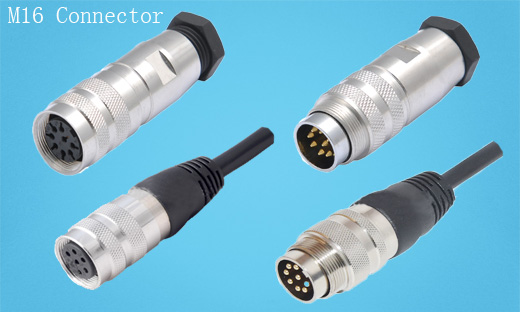
M16 connectors are widely used in industrial, automation, and heavy-duty applications due to their robust construction, high current capacity, and ability to transmit both power and signals reliably. Their performance and longevity depend not only on their initial design and materials but also on proper maintenance practices. Understanding the factors that affect durability and the recommended maintenance procedures can help ensure consistent performance and reduce operational downtime.
M16 connectors feature a 16-millimeter threaded coupling, providing secure connections that can withstand harsh industrial conditions. Their mechanical strength, sealing capabilities, and electrical reliability make them ideal for demanding applications such as manufacturing equipment, robotics, transportation, and energy systems. The M16 Connector is engineered to maintain performance under challenging conditions, and detailed specifications and guidelines of the M16 Connector highlight the importance of maintenance in extending the lifespan of these connectors.
Factors Affecting Durability
Several factors influence the durability of M16 connectors. Mechanical stress, environmental exposure, and electrical load all play significant roles. High vibration, repeated mating and unmating, and improper torque application can wear out threads or damage internal contacts. Environmental factors such as dust, moisture, chemicals, and extreme temperatures can affect both the housing and contact materials. Additionally, overloading connectors beyond their voltage or current rating can accelerate contact wear and reduce electrical performance.
Material selection also affects durability. High-quality metal or plastic housings, coupled with corrosion-resistant contact materials such as gold or nickel-plated copper, enhance long-term reliability. Sealing materials such as silicone or EPDM O-rings contribute to environmental protection, preventing dust and moisture ingress that could compromise electrical integrity.
Regular Inspection Guidelines
Routine inspection is key to maintaining M16 connector performance. Visual inspections should include checking for cracked or damaged housings, worn threads, bent pins, and degraded sealing components. Contaminants such as dust, oil, or chemical residues should be removed promptly to prevent corrosion and electrical interference.
Inspecting connections for looseness or improper torque is also important. Loose connectors can lead to intermittent electrical signals, increased wear, or environmental contamination. Using the recommended torque values during installation and re-tightening as necessary helps maintain mechanical stability and environmental protection.
Cleaning Best Practices
Proper cleaning enhances both electrical performance and durability. Disconnect the connector before cleaning to prevent short circuits. Use a dry, lint-free cloth or approved contact cleaner to remove dirt and debris from the contacts. Avoid abrasive tools or harsh chemicals that could damage contact plating or seals.
For connectors exposed to moisture or corrosive substances, periodic cleaning and re-sealing of O-rings or gaskets can prevent deterioration and extend service life. Ensuring that connectors are dry before reconnecting prevents moisture-related failures and maintains consistent electrical performance.
Handling and Mating Considerations
Repeated mating and unmating cycles can affect the durability of M16 connectors. To minimize wear, align connectors carefully before threading to prevent cross-threading or pin damage. Avoid excessive force during connection or disconnection, and follow manufacturer-recommended torque specifications.
Strain relief is essential to protect both the connector and the attached cable. Bending, pulling, or twisting the cable near the connector can lead to premature failure of contacts or insulation. Proper routing and securing of cables reduce mechanical stress and enhance the overall durability of the connector.
Electrical Performance Checks
Regular testing helps detect potential issues before they become critical. Measure continuity, insulation resistance, and contact resistance periodically to ensure the connector maintains optimal electrical performance. Functional testing of the connected device or system verifies that signals and power are being transmitted correctly. Early detection of electrical degradation can prevent downtime and costly repairs.
Environmental Protection and Maintenance
M16 connectors are often rated for high ingress protection, such as IP65 or IP67. Maintaining this protection requires attention to sealing components and proper installation. Damaged or misaligned O-rings and gaskets should be replaced promptly. Connectors should be stored in a clean, dry environment when not in use to prevent premature aging.
For applications in harsh industrial, outdoor, or chemical environments, selecting connectors with appropriate materials and IP ratings further enhances durability. Regular maintenance in conjunction with appropriate product selection ensures reliable operation over extended periods.
Replacement and Lifecycle Management
Even with proper maintenance, M16 connectors have a finite service life. Signs that replacement is necessary include persistent signal issues, corrosion that cannot be cleaned, damaged threads, or compromised seals. Timely replacement prevents system failures and protects other components in the network. Keeping a lifecycle management plan and monitoring connector performance helps optimize maintenance schedules and minimize unplanned downtime.
Conclusion
The durability and maintenance of M16 connectors are critical to ensuring reliable operation in demanding industrial and heavy-duty applications. Regular inspection, proper cleaning, careful handling, and adherence to torque specifications help maintain both mechanical and electrical integrity. Selecting high-quality materials, maintaining environmental protection, and replacing worn components at the right time further enhance performance and longevity. By following these best practices, engineers and technicians can maximize the operational efficiency, reliability, and lifespan of M16 connectors, reducing downtime and ensuring stable performance in critical industrial systems.