
Materials Used by Yoga Leggings Manufacturers for Comfort and Stretch
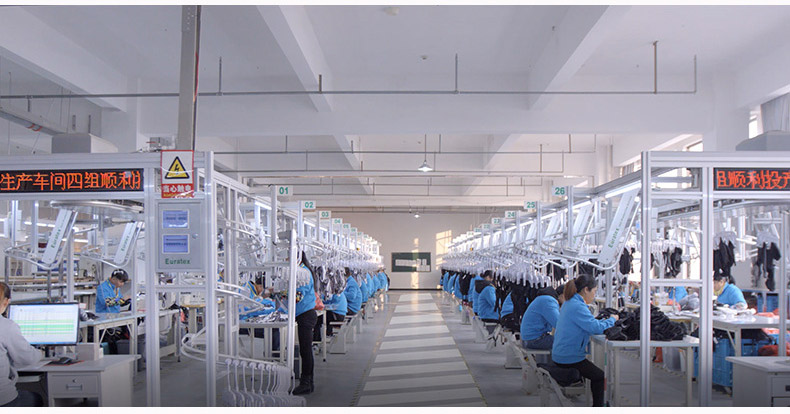
Yoga leggings have become a staple in both activewear and everyday fashion. Comfort, flexibility, and durability are essential qualities that define a high-performing pair of leggings. To meet these demands, yoga leggings manufacturers carefully select materials that provide optimal stretch, breathability, and moisture management while maintaining shape and style. Understanding the materials commonly used in yoga leggings can help brands create products that meet consumer expectations and enhance the overall yoga experience.
Spandex and Elastane for Flexibility
One of the most crucial materials used in yoga leggings is spandex, also known as elastane or Lycra®. Spandex provides exceptional stretch and recovery, allowing leggings to move with the body without sagging or losing shape. This elasticity ensures comfort during various yoga poses, from stretching to balancing, while providing a snug fit that supports the muscles.
A trusted Yoga Leggings Manufacturers can help brands determine the appropriate spandex blend to achieve the desired stretch and recovery. The percentage of spandex in a fabric affects both the flexibility and durability of the leggings, making it a critical factor in the design process. Manufacturers conduct stretch and recovery tests to ensure garments maintain their shape even after repeated use and washing.
Polyester and Recycled Polyester for Durability
Polyester is a widely used material in yoga leggings due to its durability, resistance to shrinking, and ability to hold vibrant colors. Polyester blends offer lightweight, supportive, and long-lasting leggings that withstand frequent wear. Additionally, polyester is excellent for moisture management, wicking sweat away from the skin to keep the wearer dry and comfortable.
Many manufacturers are now opting for recycled polyester, which is made from post-consumer plastic bottles or industrial waste. This sustainable option reduces environmental impact while maintaining performance. By blending polyester with spandex, manufacturers achieve a balance of flexibility, support, and resilience, making the leggings suitable for both yoga practice and everyday wear.
Nylon for Smoothness and Strength
Nylon is another key material used in yoga leggings for its smooth texture and high tensile strength. It contributes to the soft, second-skin feel that enhances comfort while reducing friction during movement. Nylon is also resistant to abrasion, helping leggings maintain their appearance over time.
When blended with elastane, nylon leggings provide excellent stretch and recovery, ensuring a comfortable fit and allowing full freedom of movement. The combination of nylon and spandex is particularly popular in high-performance leggings designed for intensive workouts or hot yoga sessions.
Cotton and Organic Cotton for Breathability
Cotton offers natural softness and breathability, making it a popular choice for yoga leggings aimed at casual wear or low-intensity practices. Cotton blends often include spandex or elastane to enhance stretch while maintaining comfort.
Some manufacturers use organic cotton, grown without harmful pesticides or chemicals, to offer a sustainable alternative. Organic cotton blends are gentle on the skin, provide good airflow, and are environmentally friendly. These fabrics are ideal for yoga practitioners who prioritize natural materials without compromising on stretch and comfort.
Bamboo and Plant-Based Fibers for Eco-Friendliness
Bamboo and other plant-based fibers, such as Tencel®, are becoming increasingly popular for yoga leggings due to their softness, breathability, and moisture-wicking properties. Bamboo fabric is naturally antibacterial and hypoallergenic, making it suitable for sensitive skin.
When blended with spandex or polyester, bamboo fibers offer durability and stretch while providing a lightweight and comfortable feel. Plant-based fibers also provide a sustainable option, allowing manufacturers to produce eco-friendly leggings that appeal to environmentally conscious consumers.
Fabric Construction and Performance Features
Beyond the fibers themselves, the way fabric is constructed significantly impacts comfort and stretch. Techniques such as seamless knitting, flatlock stitching, and brushed finishes enhance flexibility, softness, and overall garment performance. Seamless construction reduces friction and irritation, while brushed fabrics create a warm, gentle feel against the skin.
Many yoga leggings incorporate performance features like four-way stretch, UV protection, anti-odor treatment, and moisture-wicking properties. These features ensure that the leggings perform well under a variety of conditions and maintain comfort during extended wear.
Quality Control and Testing
Yoga leggings manufacturers implement rigorous testing to ensure materials meet quality standards. Tests include stretch and recovery assessments, durability checks, colorfastness evaluations, and repeated wash trials. Quality control ensures that leggings maintain their comfort, elasticity, and appearance over time, providing consumers with reliable, long-lasting products.
Conclusion
The materials used by yoga leggings manufacturers play a critical role in determining comfort, stretch, and durability. Spandex and elastane provide flexibility, polyester and nylon offer durability and support, cotton and organic cotton ensure softness and breathability, and bamboo and plant-based fibers add sustainable, eco-friendly options. Fabric construction and quality control further enhance performance, ensuring leggings meet consumer expectations for comfort and movement. Partnering with experienced Yoga Leggings Manufacturers ensures access to high-quality fabrics, advanced construction techniques, and rigorous testing, resulting in yoga leggings that combine functionality, comfort, and style for a superior yoga experience.