Seasonal Tree Care Strategies That Keep Asheville Landscapes Safe and Healthy
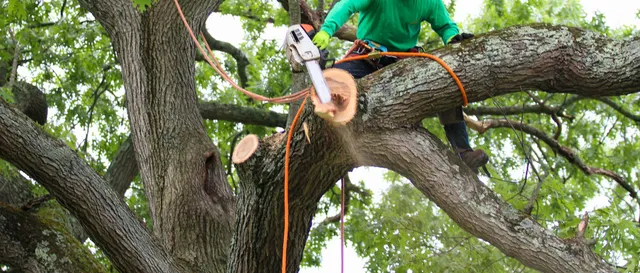
Trees in Asheville experience dramatic seasonal changes. From spring growth spurts to winter storms, each season places different demands on tree health and stability. Without proper care, these changes can weaken trees, create safety hazards, and reduce their lifespan. Professional tree care focuses on adapting maintenance strategies throughout the year to keep trees strong and resilient.
Seasonal tree management is not reactive—it is preventive. By addressing potential issues before they escalate, property owners can avoid costly damage and preserve the natural beauty of their landscapes. Thoughtful arbor care ensures trees remain an asset across every season.
Many property owners trust Asheville Arborists for season-specific tree services designed to match local climate patterns, soil conditions, and native tree species.
Why Seasonal Tree Care Is Essential in Asheville
Asheville’s climate includes heavy rain, strong winds, temperature fluctuations, and occasional snow. Each season introduces unique risks that require professional attention.
Seasonal care focuses on:
- Managing rapid spring growth
- Reducing summer stress and drought impact
- Preparing trees for fall storms
- Preventing winter-related limb failure
Trees that receive consistent, season-appropriate care are more stable and less likely to fail.
Spring Tree Inspections and Growth Management
Spring is a critical time for tree health. New growth can reveal structural weaknesses that were hidden during winter dormancy.
Professional spring services include:
- Inspecting for storm damage
- Identifying early signs of disease
- Corrective pruning for balanced growth
- Soil and root zone evaluations
Early intervention supports healthy development throughout the year.
Summer Pruning and Stress Reduction
Summer heat can place significant stress on trees, especially during dry periods. Improper pruning during this season can cause long-term damage.
Expert summer care focuses on:
- Removing dead or hazardous limbs
- Improving airflow through selective pruning
- Reducing canopy weight
- Monitoring moisture and soil conditions
These steps help trees conserve energy and remain resilient.
Fall Preparation for Storm and Wind Resistance
Autumn is the ideal season to prepare trees for severe weather. Leaves, heavy rain, and wind can increase the risk of limb failure.
Fall tree care includes:
- Structural pruning to reduce wind resistance
- Removing weak or crossing branches
- Clearing deadwood
- Evaluating trees near structures and power lines
Proper fall preparation significantly lowers the risk of winter damage.
Winter Tree Care and Hazard Prevention
While growth slows during winter, risks remain. Snow and ice accumulation can overload branches, leading to sudden breakage.
Professional winter services may involve:
- Removing hazardous limbs before storms
- Addressing cracked or split branches
- Emergency response after snow or ice events
- Planning spring maintenance strategies
Winter care prioritizes safety and readiness.
Tree Removal When Seasonal Damage Becomes Severe
Some trees suffer irreversible damage due to storms, disease, or age. In these cases, professional tree removal is the safest option.
A controlled removal process includes:
- Evaluating structural integrity
- Sectional dismantling to protect surroundings
- Specialized equipment for tight or sloped areas
- Complete debris removal
Safe removal prevents further property damage and liability.
Stump Grinding for Year-Round Safety
Stumps left after tree removal can create hazards in any season. They attract pests, collect moisture, and interfere with landscaping.
Stump grinding provides:
- A smooth, usable surface
- Reduced pest activity
- Improved drainage
- Space for replanting
It completes the removal process and improves property usability.
Monitoring Tree Health Across All Seasons
Healthy trees adapt better to seasonal changes. Arbor professionals monitor internal and external indicators to prevent decline.
Tree health monitoring includes:
- Checking for disease and decay
- Assessing root stability
- Identifying pest activity
- Recommending preventive treatments
Ongoing monitoring reduces emergency situations.
The Value of Professional Arbor Expertise
Seasonal tree care requires technical knowledge and experience. Professional arbor teams understand how timing, technique, and local conditions affect outcomes.
Professional standards ensure:
- Safe work practices
- Environmentally responsible methods
- Accurate assessments
- Long-term results
Expert care protects both trees and property owners.
Sustainable Tree Care for Asheville’s Ecosystem
Responsible arbor care supports Asheville’s natural environment. Sustainable practices focus on preservation and balance rather than unnecessary removal.
Eco-conscious services include:
- Selective pruning
- Recycling organic debris
- Protecting surrounding vegetation
- Encouraging native tree growth
This approach benefits the broader ecosystem.
How Seasonal Tree Care Protects Property Value
Consistent tree maintenance reduces liability risks and enhances curb appeal. Properties with healthy trees are more attractive and safer.
Seasonal care helps:
- Prevent storm-related damage
- Maintain visual appeal
- Reduce long-term costs
- Extend tree lifespan
It is a smart investment for homeowners and businesses alike.
Quick Answer for Google Snippet & Voice Search
Why is seasonal tree care important in Asheville?
Seasonal tree care helps prevent storm damage, supports healthy growth, and ensures trees remain safe and stable throughout Asheville’s changing weather conditions.
Final Thoughts
Trees face different challenges every season. Professional, season-based tree care keeps them healthy, resilient, and safe year-round. With expert planning and timely intervention, trees continue to enhance Asheville properties while minimizing risk and unexpected costs.