Oil Filter Testing and Performance Benchmarks
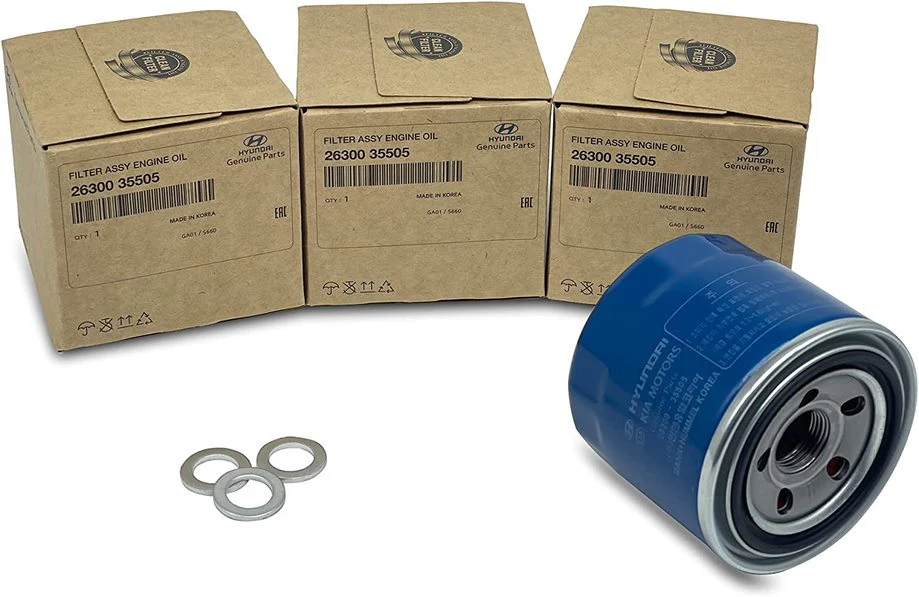
Oil filters are essential components in vehicles, protecting engines from contaminants such as metal particles, dirt, and sludge. Their performance directly impacts engine longevity, fuel efficiency, and overall vehicle reliability. To ensure that oil filters meet the rigorous demands of modern engines, manufacturers conduct comprehensive testing and establish performance benchmarks. These standards help automotive manufacturers, fleet operators, and distributors select filters that provide optimal protection under a wide range of operating conditions.
China has emerged as a leading global producer of automotive filters, offering products for both domestic and international markets. A reliable China Oil Filter Supplier implements strict testing protocols and adheres to performance benchmarks to ensure that every oil filter meets the quality and reliability standards expected by clients worldwide. Testing is a critical step in guaranteeing that filters function effectively across different engine types and applications.
Filtration Efficiency Testing
Filtration efficiency is the most fundamental measure of an oil filter’s performance. This test evaluates how effectively a filter captures contaminants of various sizes while allowing oil to flow freely through the system. During testing, particles of specific sizes are introduced into the oil stream, and instruments measure the percentage of particles retained by the filter media. High-efficiency filters can trap even microscopic contaminants, ensuring that the engine receives clean oil at all times.
Filtration efficiency is critical for reducing engine wear and extending service intervals. Filters that perform poorly in this test can allow contaminants to circulate, causing accelerated wear, increased fuel consumption, and potential engine damage. International standards and OEM specifications often define minimum efficiency thresholds that filters must meet to be considered reliable for use in specific vehicles.
Flow Rate and Pressure Drop Testing
Oil filters must allow oil to circulate through the engine without creating excessive resistance. Flow rate and pressure drop testing measures the volume of oil passing through the filter and the pressure required to maintain that flow. A high-pressure drop indicates excessive restriction, which can reduce engine efficiency and strain the oil pump. Conversely, a low-pressure drop with poor filtration efficiency may fail to remove contaminants adequately.
Suppliers conduct these tests at various temperatures and viscosities to simulate real-world engine conditions. Optimizing the balance between filtration efficiency and oil flow is critical for both engine performance and longevity.
Contaminant Holding Capacity
Contaminant holding capacity measures the amount of dirt, soot, and metal particles a filter can retain before it becomes saturated and starts to allow contaminants to bypass the media. Filters with higher holding capacity provide longer service intervals and better protection under harsh operating conditions.
During testing, filters are exposed to increasing amounts of contaminants under controlled flow and pressure conditions until the filter media begins to restrict oil flow. The results help determine recommended replacement intervals and ensure that filters meet performance benchmarks for specific vehicle applications.
Burst and Structural Integrity Testing
Filters must maintain structural integrity under high pressures and extreme temperatures. Burst testing evaluates a filter’s ability to withstand pressures above normal operating conditions without collapsing or leaking. Structural integrity testing ensures that end caps, adhesives, and filter media remain intact under thermal expansion, vibration, and mechanical stress.
These tests are particularly important for heavy-duty and performance applications, where filters may encounter extreme pressures, high temperatures, and continuous operation for extended periods. Failure in structural tests can result in catastrophic engine damage, highlighting the importance of rigorous evaluation.
Environmental and Temperature Testing
Modern oil filters are tested under a variety of environmental conditions, including extreme heat, cold, and humidity. Temperature testing verifies that the filter media retains its efficiency and structural integrity under fluctuating conditions, while environmental testing evaluates resistance to moisture, chemical exposure, and contaminants that could affect performance.
Filters intended for global markets must pass these tests to meet international standards. Ensuring reliability under diverse environmental conditions is crucial for fleet operators, international automotive manufacturers, and aftermarket customers.
Benchmarking Against OEM and International Standards
Oil filters are benchmarked against OEM specifications and international performance standards, such as ISO 4548-12 and SAE J1858. These benchmarks define criteria for filtration efficiency, pressure resistance, contaminant holding capacity, and durability. Compliance ensures that filters are compatible with specific engine designs and capable of providing long-term protection.
By benchmarking against recognized standards, suppliers can demonstrate the reliability and consistency of their products. Customers can select filters with confidence, knowing that they meet or exceed the requirements for their specific vehicles.
Conclusion
Oil filter testing and performance benchmarks are essential for ensuring engine protection, operational efficiency, and long-term reliability. Filtration efficiency, flow rate, pressure drop, contaminant holding capacity, structural integrity, and environmental performance are all critical metrics that determine a filter’s effectiveness. Partnering with a trusted China Oil Filter Supplier ensures access to rigorously tested products that meet international and OEM standards, providing consistent protection for engines across various applications. By adhering to these testing protocols and benchmarks, suppliers support the global automotive industry with reliable, high-performance filtration solutions.