Sustainable Materials Used by Takeaway Box Manufacturers
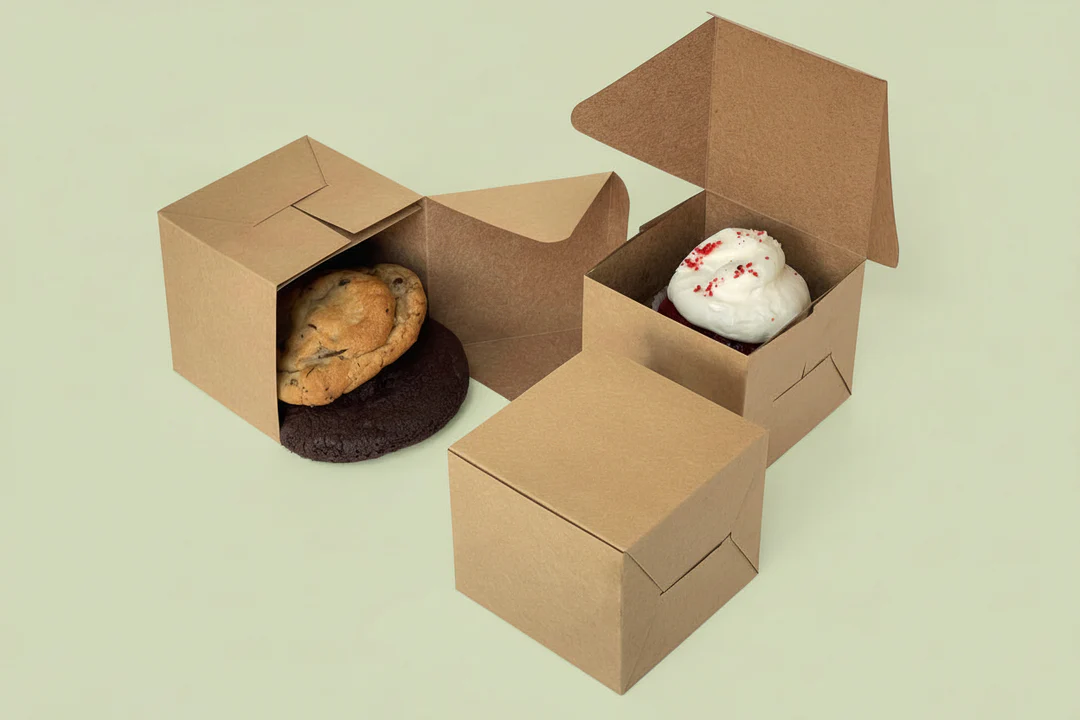
Sustainability has become a critical focus in the food service industry, particularly in the production of takeaway boxes. With increasing awareness of environmental concerns and the ecological impact of single-use packaging, businesses are seeking materials that reduce waste, are biodegradable, and minimize carbon footprints. Takeaway box manufacturers are responding to this demand by innovating with eco-friendly materials that balance functionality, durability, and environmental responsibility.
Modern takeaway boxes are no longer just about convenience and portability—they must also meet sustainability standards. Manufacturers are exploring a variety of materials that are renewable, compostable, and recyclable while maintaining strength and leak resistance. Partnering with a trusted Takeaway Box Manufacturer ensures access to high-quality, sustainable options that meet regulatory requirements and consumer expectations. These materials allow businesses to serve hot, cold, and multi-component meals while reducing environmental impact.
Paperboard and Cardboard
Paperboard and cardboard are among the most commonly used sustainable materials for takeaway boxes. They are lightweight, strong, and recyclable, making them an excellent choice for both hot and cold meals. Many paperboard boxes include a water-based or biodegradable coating to prevent leaks and maintain food quality without compromising compostability. Using paperboard and cardboard not only reduces reliance on plastics but also offers excellent printability, which allows restaurants to incorporate branding and marketing while staying eco-friendly.
Sugarcane Bagasse
Sugarcane bagasse is a byproduct of sugar production and has emerged as a popular sustainable material for takeaway boxes. It is biodegradable, compostable, and capable of withstanding heat and moisture, making it suitable for hot meals, soups, and oily foods. Bagasse boxes are durable, lightweight, and naturally resistant to grease, reducing the need for additional coatings. Many food businesses prefer bagasse because it offers a high-performance alternative to traditional paper or plastic containers while promoting environmentally responsible practices.
Bamboo Fiber
Bamboo fiber is another eco-friendly material used in takeaway box production. Bamboo grows quickly and requires minimal resources, making it highly sustainable. Boxes made from bamboo fiber are sturdy, heat-resistant, and biodegradable, offering an environmentally friendly solution for packaging hot or heavy meals. Bamboo packaging is particularly favored by businesses looking to convey a natural, sustainable image while providing functional containers that meet food safety standards.
PLA and Other Plant-Based Plastics
Polylactic acid (PLA) and similar plant-based plastics are derived from renewable resources such as corn starch or sugarcane. These materials are compostable and can replace traditional petroleum-based plastics in takeaway boxes. PLA provides a clear, lightweight, and durable solution, suitable for lids, windows, or entire containers. Many takeaway box manufacturers combine PLA with cardboard or paperboard to create hybrid designs that are leak-resistant, heat-tolerant, and environmentally friendly.
Recycled Materials
Recycled materials, including post-consumer paper and cardboard, are widely used by takeaway box manufacturers to reduce environmental impact. Boxes made from recycled materials conserve natural resources, reduce landfill waste, and often require less energy in production. Using recycled materials supports circular economy principles, allowing food service businesses to minimize their ecological footprint while still delivering high-quality packaging that is strong and functional.
Water-Based and Biodegradable Coatings
Even when using sustainable base materials, takeaway boxes often require coatings to prevent leaks and maintain food integrity. Traditional plastic coatings can compromise compostability, so many manufacturers now use water-based or biodegradable coatings. These coatings create a barrier against moisture and grease without impacting the box’s ability to break down naturally in composting environments. This innovation allows sustainable takeaway boxes to perform as effectively as conventional packaging while remaining environmentally responsible.
Advantages of Sustainable Materials
Sustainable materials provide multiple benefits beyond environmental protection. They are often lightweight, easy to store, and compatible with a variety of meal types, including hot, cold, dry, and wet foods. Many sustainable boxes are designed to be microwave-safe and heat-resistant, maintaining convenience for customers while promoting eco-conscious practices. Additionally, businesses using sustainable packaging enhance their brand reputation, appealing to environmentally aware consumers and meeting regulatory expectations for waste reduction.
Conclusion
Takeaway box manufacturers are increasingly adopting sustainable materials such as paperboard, cardboard, sugarcane bagasse, bamboo fiber, PLA, and recycled components to reduce environmental impact while maintaining functionality. Water-based and biodegradable coatings enhance performance without compromising eco-friendliness. By sourcing packaging from a reliable Takeaway Box Manufacturer, food businesses can deliver meals in containers that are strong, leak-resistant, and environmentally responsible. Sustainable materials not only support operational efficiency and food safety but also align with consumer demand for eco-conscious practices, making them a critical component of modern takeaway packaging solutions.