Applications of Continuous Inkjet Printers Across Industries
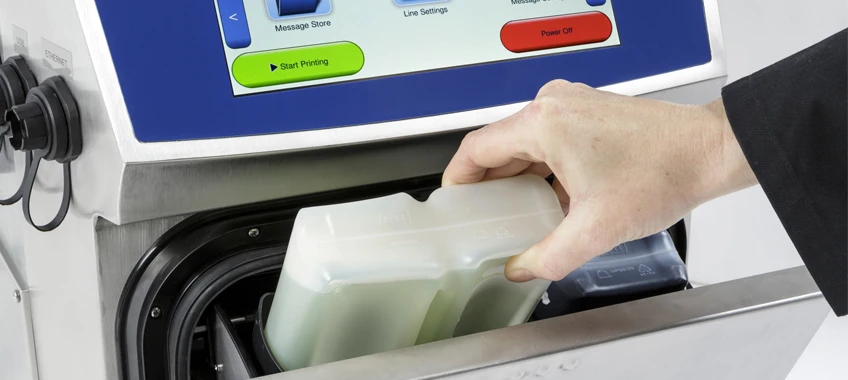
Continuous Inkjet (CIJ) printers have become an integral part of modern manufacturing and packaging processes. They offer fast, precise, and non-contact printing solutions for variable data, such as batch numbers, expiration dates, barcodes, and logos. Their versatility allows them to serve a wide range of industries, providing consistent, high-quality markings on a variety of products and surfaces. Understanding the applications of CIJ printers helps businesses maximize their operational efficiency and ensure regulatory compliance.
Food and Beverage Industry
In the food and beverage sector, CIJ printers are essential for ensuring product traceability and safety. Manufacturers use these printers to mark expiration dates, production codes, and batch numbers on packaging materials such as bottles, cans, cartons, and flexible pouches. Many companies rely on trusted Continuous Inkjet Printer models that provide fast, reliable printing without damaging delicate packaging. Non-contact printing is particularly important in this industry, as it prevents contamination and maintains the integrity of the product. Accurate marking also supports recalls and inventory management, helping companies adhere to strict food safety regulations.
Pharmaceutical and Healthcare Industry
The pharmaceutical industry requires precise and permanent product identification to meet regulatory standards. CIJ printers are used to print critical information such as batch numbers, expiration dates, serial numbers, and dosage instructions on vials, blister packs, syringes, and cartons. High-resolution printing ensures that markings are legible and durable, even on small or curved surfaces. Traceability is essential for patient safety and regulatory compliance, and CIJ printers provide a reliable solution for maintaining consistent, accurate product information.
Electronics and Electrical Components
CIJ printers are widely used in the electronics industry for marking components, circuit boards, and assemblies with identification codes, serial numbers, and manufacturing dates. Non-contact printing is particularly beneficial for delicate electronic parts, as it reduces the risk of damage. Specialized inks designed to withstand heat, moisture, and other environmental factors ensure that markings remain legible throughout the product’s lifecycle. CIJ printers help manufacturers maintain traceability and quality control in complex production processes.
Automotive and Industrial Parts
In automotive and industrial manufacturing, CIJ printers are used to mark parts, tools, and components with part numbers, batch codes, and inspection information. These printers provide durable markings that can withstand high temperatures, abrasion, and chemical exposure. Accurate identification of parts is crucial for assembly processes, quality assurance, and maintenance tracking. CIJ printers allow manufacturers to mark multiple lines of information quickly, increasing efficiency on high-speed production lines.
Packaging and Logistics
CIJ printers are commonly used for printing information on cartons, pallets, and shipping containers in logistics and distribution. Large, legible markings such as product codes, batch numbers, handling instructions, and barcodes ensure proper tracking and inventory management. The non-contact printing method allows for easy integration with automated conveyors and robotic systems. CIJ printers support variable data printing, enabling manufacturers to update information quickly without interrupting production.
Cosmetics and Personal Care
The cosmetics and personal care industry uses CIJ printers to mark bottles, tubes, jars, and other packaging with batch numbers, manufacturing dates, and regulatory information. Legible markings enhance brand credibility, ensure compliance with labeling standards, and provide traceability. Non-contact printing preserves delicate packaging finishes while delivering consistent, high-quality prints. CIJ printers also allow flexibility in printing on various packaging materials, including glass, plastics, and laminated surfaces.
High-Speed Production Advantages
CIJ printers excel in high-speed production environments across all industries. Their ability to print at several hundred meters per minute without contacting the product reduces downtime and increases throughput. Non-contact printing also minimizes maintenance needs, as there is no risk of mechanical damage to the packaging. Modern CIJ printers feature automated cleaning cycles, remote monitoring, and easy integration with production line software, making them ideal for demanding industrial applications.
Conclusion
Continuous Inkjet printers are versatile, efficient, and reliable marking solutions used across a wide range of industries, including food and beverage, pharmaceuticals, electronics, automotive, logistics, and cosmetics. They provide non-contact, high-speed printing that ensures accurate, durable, and legible markings on diverse substrates. By investing in a high-quality Continuous Inkjet Printer, businesses can improve traceability, maintain regulatory compliance, reduce downtime, and optimize production efficiency. Understanding the broad applications of CIJ printers highlights their essential role in modern manufacturing and packaging operations.