A Complete Homeowner’s Guide to Energy-Efficient Windows and Doors

Energy efficiency has become a top priority for homeowners looking to reduce utility bills, improve indoor comfort, and create a more sustainable living environment. Windows and doors play a crucial role in a home’s energy performance, yet many homeowners overlook how much heat loss or gain occurs through outdated or poorly designed openings.
This complete guide explains what makes windows and doors energy-efficient, how they work, and the key benefits they offer to modern homes.
Why Energy-Efficient Windows and Doors Matter
Windows and doors account for a significant portion of heat transfer in a home. Poorly insulated units can allow warm air to escape during winter and let excessive heat enter during summer, forcing heating and cooling systems to work harder.
Energy-efficient windows and doors help:
- Maintain consistent indoor temperatures
- Reduce heating and cooling costs
- Improve overall home comfort
- Lower environmental impact
Upgrading to energy-efficient solutions is both a comfort upgrade and a long-term financial investment.
What Makes a Window Energy-Efficient?
1. Multiple Glass Panes
Energy-efficient windows typically feature double or triple-pane glass. The space between panes is filled with insulating gas such as argon or krypton, which slows heat transfer.
2. Low-E (Low Emissivity) Coatings
Low-E coatings are microscopically thin layers applied to glass that reflect heat:
- Keeps heat inside during winter
- Blocks excessive heat during summer
- Allows natural light without sacrificing insulation
3. Quality Frame Materials
The frame material significantly impacts energy performance:
- Vinyl and fiberglass offer excellent insulation
- Wood provides natural thermal resistance
- Aluminum requires thermal breaks to prevent heat transfer
4. Tight Seals and Weatherstripping
Well-sealed windows prevent air leaks and drafts. Proper weatherstripping ensures consistent performance even during extreme weather conditions.
What Makes a Door Energy-Efficient?
1. Insulated Door Cores
Energy-efficient doors often include insulated cores made of foam or composite materials that reduce heat transfer.
2. Advanced Sealing Systems
High-quality energy-efficient doors feature:
- Tight-fitting frames
- Compression seals
- Durable thresholds to block air leaks
3. Energy-Efficient Glass Inserts
For doors with glass panels, double or triple-pane glass with Low-E coatings ensures insulation without sacrificing style or natural light.
Key Benefits of Energy-Efficient Windows and Doors
1. Lower Energy Bills
By reducing heat loss and gain, energy-efficient windows and doors significantly lower heating and cooling costs throughout the year.
2. Improved Indoor Comfort
Eliminating drafts and cold spots creates a more comfortable living environment, especially in rooms near exterior walls.
3. Noise Reduction
Multi-pane glass and tight seals also help reduce outside noise, making homes quieter and more peaceful.
4. Increased Home Value
Energy-efficient upgrades are highly attractive to buyers. Homes with modern windows and doors often command higher resale values.
5. Environmental Benefits
Reduced energy consumption lowers carbon emissions, making energy-efficient windows and doors an eco-friendly choice.
Understanding Energy Performance Ratings
When shopping for energy-efficient products, homeowners should look for:
- U-Factor: Measures heat loss (lower is better)
- Solar Heat Gain Coefficient (SHGC): Measures how much solar heat enters the home
- Air Leakage Rating: Indicates how airtight the product is
These ratings help homeowners compare products and select the best option for their climate.
Importance of Professional Installation
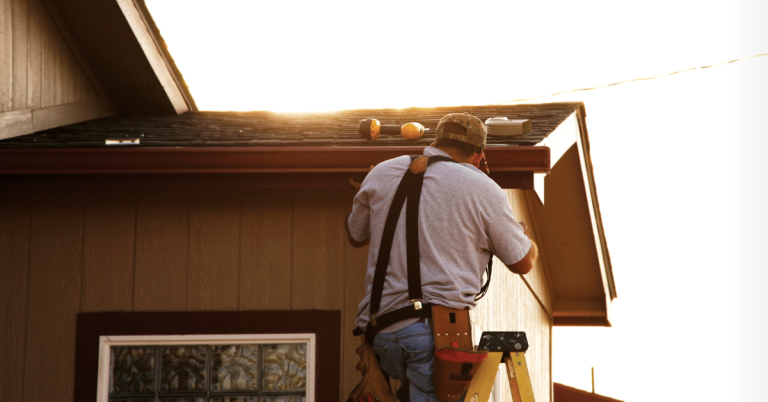
Even the most energy-efficient window or door will underperform if installed incorrectly. Professional installation ensures:
- Proper sealing and insulation
- Accurate alignment and structural support
- Long-term durability and performance
Homeowners often rely on trusted home improvement providers like WarrenExpert Garage Doors for quality products and expert guidance that ensure energy efficiency goals are fully achieved.
When Should You Upgrade?
Consider upgrading to energy-efficient windows and doors if:
- Your home feels drafty
- Energy bills are consistently high
- Windows are difficult to open or close
- Condensation forms between glass panes
Modern energy-efficient replacements can transform both comfort and performance.
Final Thoughts
Energy-efficient windows and doors are essential components of a comfortable, cost-effective, and sustainable home. By understanding the materials, technologies, and features that contribute to energy performance, homeowners can make informed decisions that deliver long-term benefits.
From lower energy bills and enhanced comfort to increased property value and environmental responsibility, investing in energy-efficient windows and doors is one of the smartest upgrades a homeowner can make.