
Choosing the Right Underwater Inspection Camera for Deep-Water Tasks
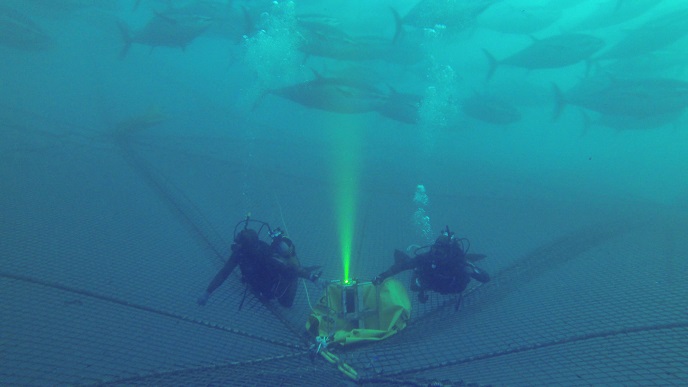
Working in deep-water environments presents unique challenges for researchers, engineers, and marine operators. Pressure, limited visibility, and complex terrain make accurate observation and documentation difficult. To overcome these challenges, selecting the right equipment is essential. One of the most important tools for deep-water tasks is an underwater inspection camera, which provides clear visuals and reliable data in environments that are often inaccessible to divers.
When evaluating options, it is important to consider the specific requirements of the task. A device such as an underwater inspection camera can capture high-resolution footage of deep-water structures, pipelines, or marine habitats, enabling professionals to perform thorough inspections without putting personnel at risk. Understanding the features and capabilities needed for deep-water operations helps ensure that the camera chosen can handle both the technical demands and the environmental challenges of the job.
Depth Rating and Pressure Resistance
One of the first factors to consider is the depth rating of the camera. Deep-water tasks require equipment that can withstand high pressures without compromising performance. Cameras designed for extreme depths typically have reinforced housings and seals to prevent water ingress, ensuring uninterrupted operation. Assessing the maximum operating depth and pressure tolerance is critical to prevent equipment failure during inspections.
Image Quality and Low-Light Performance
Visibility in deep-water environments is often minimal due to the absence of natural light and the presence of particulate matter. Choosing a camera capable of capturing clear, high-definition images is essential for accurate observation. Many devices also include advanced lighting systems and low-light sensors to enhance visibility, allowing operators to identify structural damage, corrosion, or biological activity with precision.
Maneuverability and Control Features
Deep-water inspections often require navigating complex or confined spaces. Cameras with pan-and-tilt capabilities or remotely controlled maneuvering allow operators to explore difficult-to-reach areas efficiently. Flexible control systems reduce the need for multiple passes and ensure that all relevant areas are thoroughly examined, improving both accuracy and operational efficiency.
Durability and Build Quality
Deep-water environments are harsh, with cold temperatures, high pressure, and exposure to saltwater. Choosing a camera with robust construction and corrosion-resistant materials is essential for long-term reliability. Features such as reinforced housings, waterproof connectors, and durable cables ensure that the equipment remains functional even under challenging conditions.
Recording and Data Storage
Recording capabilities are crucial for documenting inspections, analyzing footage, and maintaining records for compliance or reporting purposes. Cameras that offer digital storage, real-time monitoring, and the ability to export footage provide greater flexibility for researchers and engineers. Access to recorded data also supports collaboration, allowing teams to review findings and make informed decisions.
Specialized Features for Deep-Water Tasks
Depending on the specific application, additional features may be important. These can include laser measurement tools for precise distance calculations, sonar integration for navigation in low-visibility areas, or remote operation from surface vessels. Selecting a camera with the appropriate combination of features ensures that deep-water tasks are completed accurately and efficiently.
In conclusion, choosing the right underwater inspection camera for deep-water tasks involves careful consideration of depth rating, image quality, maneuverability, durability, and data management features. By understanding the requirements of the operation and evaluating equipment based on these factors, professionals can ensure safe, effective, and reliable inspections in challenging underwater environments. The right camera not only enhances operational efficiency but also improves safety for all personnel involved in deep-water work.