
Creative Ways to Use a Photo Splitter for Social Media and Beyond
Photography has always been a powerful tool for storytelling, but with the rise of digital platforms, the way we share and present images has changed dramatically. Whether you’re curating a professional portfolio, creating engaging social media content, or designing a digital campaign, the layout of your images often matters just as much as the pictures themselves. One modern solution that enhances creativity and presentation is splitting images into parts for unique layouts.
With a photo splitter, you can divide a single picture into multiple sections, creating a visual effect that is both striking and memorable. This technique not only captures attention but also provides flexibility in how images are displayed across different platforms.
What is a Photo Splitter?
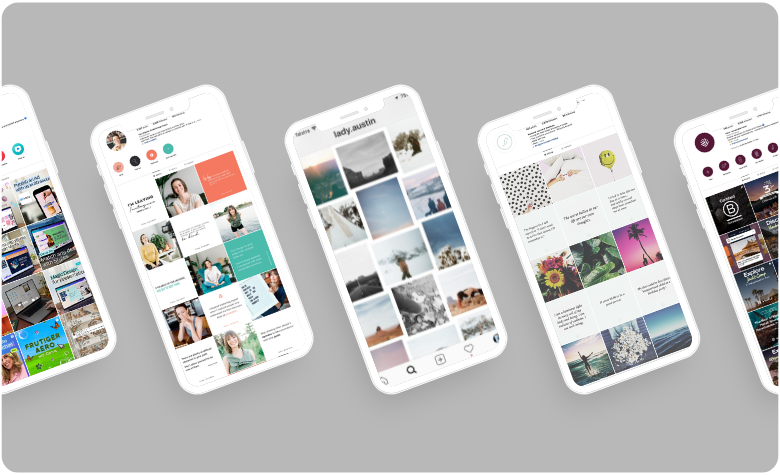
A photo splitter is a tool that divides an image into multiple segments without distorting its quality. These segments can be arranged in creative patterns, displayed individually, or posted sequentially to form a larger composition. For instance, many Instagram users post grid-style images that, when viewed on their profile, merge into a single seamless photo.
Beyond social media, photo splitting is useful in presentations, marketing campaigns, and even personal projects like scrapbooks or digital invitations. The idea is simple: one picture becomes many, offering endless opportunities to tell a story visually.
Why Split Photos Instead of Using Single Images?
At first glance, splitting an image might seem unnecessary. However, the benefits are clear once you see how it impacts visual communication:
- Enhanced Engagement: Larger, multi-part images stand out more in social media feeds than single pictures.
- Storytelling Power: Each segment can highlight a different detail, encouraging viewers to explore the entire sequence.
- Professional Aesthetics: Split photos create a sleek and modern look, often associated with high-quality design.
- Creative Freedom: Instead of posting a static picture, you can experiment with layouts, sequences, and patterns.
- Multi-Use Potential: Once split, images can be repurposed across different platforms and designs.
Popular Uses of a Photo Splitter
- Instagram Grids
Splitting a single image into 3, 6, or 9 parts allows you to create an eye-catching feed. This technique is especially popular among influencers, artists, and businesses that want their profile to stand out. - Marketing Campaigns
Brands often use split images to tease product launches or highlight specific features. Each part of the photo builds anticipation until the full image is revealed. - Digital Portfolios
Photographers and designers use photo splitting to showcase details of their work. Breaking an image into parts lets viewers focus on specific textures, colors, or features. - Event Invitations
For weddings, parties, or special occasions, splitting photos into sections can make digital invites look artistic and unique. - Creative Storytelling
Travel bloggers, for example, can split a panoramic landscape into segments, posting them sequentially to recreate the journey visually.
Tips for Using a Photo Splitter Effectively
While the tool is easy to use, maximizing its potential requires some thought:
- Start with High-Resolution Images: Splitting low-quality photos often results in blurry or pixelated segments.
- Plan Your Layout: Decide in advance whether you want a 3×3 grid, a panoramic strip, or another style.
- Maintain Consistency: If you’re using it for social media, stick to one layout style to build a recognizable aesthetic.
- Think About Flow: When posting sequentially, ensure that each part makes sense on its own while contributing to the bigger picture.
- Test Before Posting: Preview how the split image will look on your profile or project before finalizing.
Mistakes to Avoid
- Overcomplicating Designs: Too many splits can confuse the viewer instead of engaging them.
- Ignoring Aspect Ratios: Make sure the split images fit the platform’s dimensions, especially on social media.
- Poor Image Selection: Not every picture is suitable for splitting. Choose photos with balance and symmetry for the best effect.
- Posting Out of Order: On platforms like Instagram, incorrect posting order disrupts the intended look of the grid.
Balancing Creativity with Simplicity
One of the biggest strengths of a photo splitter is its ability to transform simple pictures into artistic layouts. However, the best results often come from balancing creativity with simplicity. For example, splitting a minimalist portrait into three parts may look more striking than dividing a highly detailed landscape into nine. The goal is to highlight the subject, not overwhelm the audience.
Beyond Social Media: Other Applications
Although often associated with Instagram, photo splitting has a wide range of uses:
- Educational Materials: Teachers and trainers can split diagrams or maps into sections to create interactive learning activities.
- Business Presentations: Splitting a complex chart or visual into smaller pieces makes it easier to explain in stages.
- Print Design: Magazines, posters, and brochures can use split images for dynamic layouts.
- Personal Projects: From digital scrapbooks to creative wall art, splitting photos adds an element of uniqueness.
The Future of Split Photography
As digital platforms evolve, visual presentation continues to play a vital role in communication. With the rise of augmented reality and interactive content, photo splitting could become even more immersive—imagine viewers swiping through segments that connect seamlessly into a 3D experience.
While the future may bring advanced tools, the core idea will remain: breaking one image into many can amplify its impact.
Final Thoughts
A photo splitter is more than a design trick—it’s a tool that transforms the way we tell visual stories. From making Instagram feeds look artistic to adding creativity to professional projects, it offers endless opportunities for innovation.
By choosing the right images, planning layouts carefully, and balancing creativity with clarity, you can use split photos to capture attention and leave a lasting impression. In a world where visuals dominate communication, mastering this technique gives you an edge in both personal and professional expression.