Designing Venues Where Sound Feels As Real As the Visuals
Visual design often gets the spotlight when venues are planned. Screens, lighting, textures, and layout usually lead early discussions. Sound follows later, sometimes as an add-on. That order is starting to change. Many designers now recognise that a space does not feel complete unless audio feels as intentional as what people see.
When sound and visuals align, environments feel believable. Visitors stop noticing the system and start noticing the experience.
Why Visuals Alone Are No Longer Enough
Modern venues ask more of their audiences. People expect clarity, comfort, and emotional impact at the same time. Strong visuals may attract attention, but sound determines how long people stay. Poor audio quickly breaks immersion, even in beautifully designed spaces.
Flat or uneven sound creates distance. Voices feel disconnected from screens. Music feels pasted on rather than embedded. When sound does not match what the eyes see, the brain senses something is off. Engagement drops, often without a clear reason.
This is why many venues now aim for sound that feels present, layered, and responsive to movement.
Sound As a Spatial Design Element
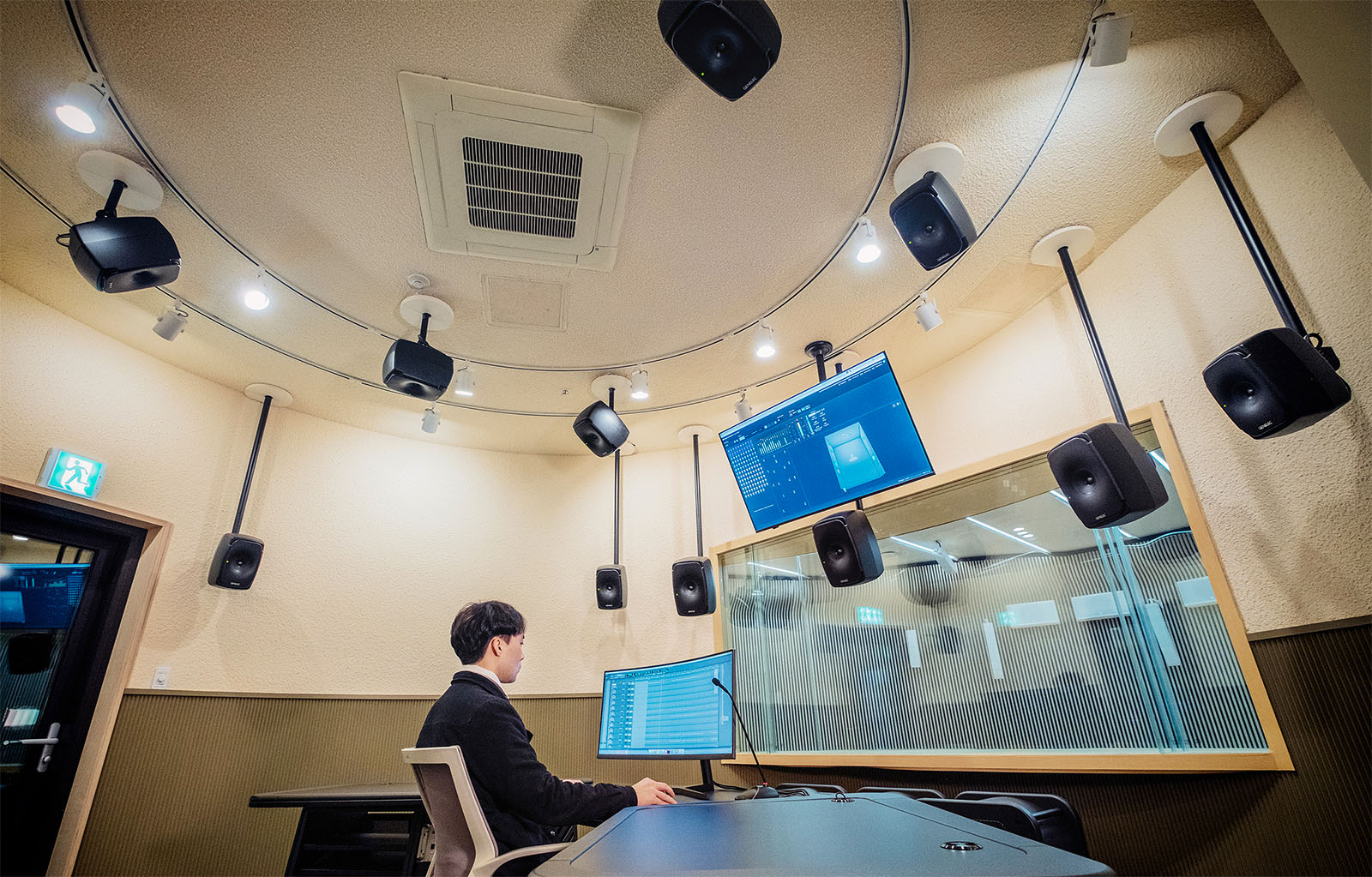
Treating audio as part of spatial design changes planning decisions. Sound placement starts alongside seating, pathways, and sightlines. Designers consider where people gather, where they pause, and where quiet matters more than impact.
Instead of pushing sound from a few loud points, audio spreads evenly across the room. This avoids harsh volume changes and keeps the experience consistent. People hear clearly wherever they stand, which reduces fatigue and frustration.
Immersive sound solutions support this approach by allowing sound to exist within the space rather than above it. Audio feels anchored to the environment instead of floating loosely through it.
Balancing Energy and Comfort
Loudness does not equal impact. Many venues struggle with sound that overwhelms rather than supports. Immersive design focuses on balance. Energy rises where needed and softens where conversation or rest matters.
This balance keeps guests comfortable. People stay longer in spaces where they do not need to strain to hear or escape noise. Comfort becomes part of the brand experience, even if it goes unnoticed.
Venues using immersive sound solutions often report fewer complaints and less manual adjustment. The system works with the room instead of fighting it.
Flexibility For Changing Uses
Few venues serve one purpose all day. A space may host talks, performances, social events, and quiet browsing within the same week. Sound systems need to adapt quickly.
Flexible audio zoning allows environments to shift without physical changes. Sound profiles adjust based on use, time, or crowd size. This keeps experiences consistent even as activities change.
Visuals already adapt through lighting and screens. Sound must do the same to feel equally modern.
Consistency Across Larger Venues
In larger or multi-room venues, consistency becomes critical. Uneven audio quality breaks trust. Visitors notice when one area feels polished and another feels neglected.
Central control helps maintain standards. Adjustments apply evenly while still respecting each room’s acoustics. This consistency strengthens brand perception and reduces operational complexity.
Immersive sound solutions make this possible by managing complexity behind the scenes while keeping the experience simple on the surface.
Why Sound Now Rivals Visuals
Sound influences emotion faster than sight. It guides attention, shapes mood, and signals change. When designed well, it works quietly but powerfully.
Venues that treat sound as equal to visuals create environments that feel whole. Visitors stop noticing the system and start responding to the space itself.
If the goal is realism, comfort, and engagement, sound cannot remain an afterthought. Designing with immersive sound solutions in mind helps venues deliver experiences that feel natural, balanced, and worth returning to.