
How to Train a Comfort Golden Retriever for Emotional Support
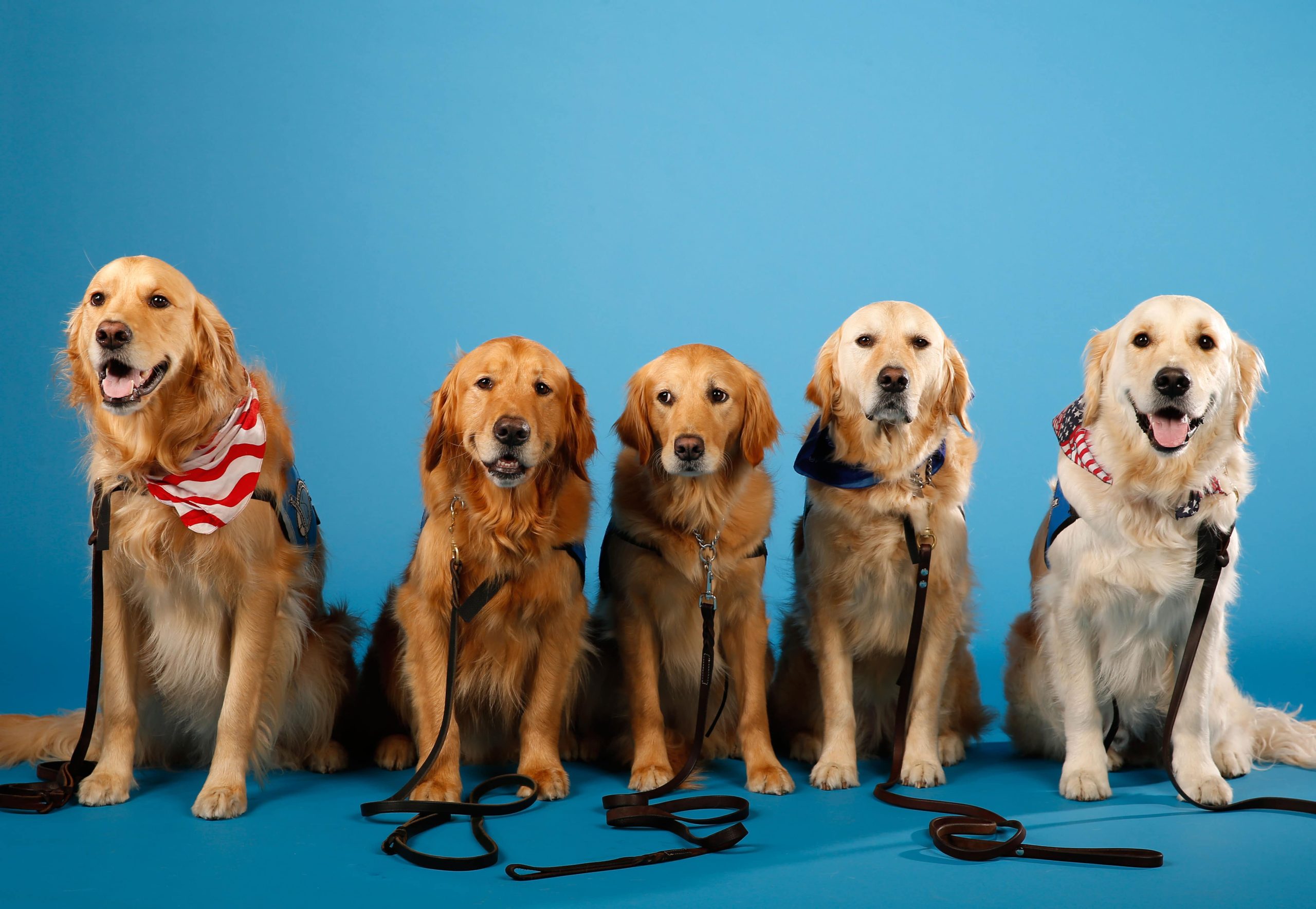
Living with anxiety, stress, or emotional overload often calls for steady, non-judgmental support. Many people turn to dogs for this reason. Comfort Golden Retrievers work especially well because they stay attentive, gentle, and people-focused. Training does not need to feel complex or technical. It should build trust, calm behavior, and reliability over time. This article explains how to shape everyday habits that help a Golden Retriever offer emotional support. The focus stays on practical training, realistic expectations, and consistent routines that fit daily life. With patience and structure, the dog becomes a stable presence rather than a source of stress.
Understand the Role of Emotional Support
Emotional support starts with clarity about expectations. An emotional support dog offers comfort through presence, not trained medical tasks. The dog helps by staying calm, responsive, and predictable. Comfort Golden Retrievers thrive in this role because they bond deeply with their handlers. Clear expectations prevent frustration during training. The goal centers on steady behavior, not perfection.
Start With Basic Obedience Training
Strong foundations support every other skill. Teach sit, stay, down, come, and leave it first. These commands improve safety and daily control. Use short sessions and repeat them daily. Reward calm responses with treats or praise. Comfort Golden Retrievers learn quickly when training stays consistent and positive.
Build Calm Indoor Behavior
Emotional support often happens at home. Train the dog to settle on a mat or bed. Encourage quiet behavior during rest periods. Ignore attention-seeking behaviors like barking or pawing. Reward relaxed body language instead. This teaches the dog to respond to emotional moments with calm presence.
Focus on Leash and Public Manners
Predictable behavior reduces stress outside the home. Practice loose-leash walking in low-distraction areas. Gradually introduce busier environments. Correct pulling early and reward steady pacing. Comfort Golden Retrievers adapt well when exposure increases slowly. Calm outings help reinforce emotional stability.
Strengthen the Human–Dog Bond
Connection improves responsiveness during emotional moments. Spend time together outside training sessions. Play, walk, and rest together daily. Speak in a steady tone during interactions. Dogs read emotional cues closely. A strong bond helps the dog respond naturally to changes in mood.
Encourage Gentle Comfort Behaviors
Supportive actions should feel natural, not forced. Teach the dog to sit close or rest their head nearby. Reward calm physical contact when invited. Avoid encouraging jumping or licking during emotional moments. Comfort Golden Retrievers often offer closeness without prompts once trust develops.
Maintain Routine and Consistency
Stability supports long-term success. Feed, walk, and train at the same time each day. Predictable routines reduce anxiety for both handler and dog. Adjust training speed based on progress. Consistency matters more than intensity when shaping emotional support behavior.
Know the Documentation Requirements
Training alone does not define emotional support status. A licensed mental health professional provides the required documentation. Training supports daily living but does not replace legal steps. Well-trained Comfort Golden Retrievers make housing and shared spaces easier to manage.
Conclusion
Training a Golden Retriever for emotional support focuses on behavior, trust, and consistency. The process does not require advanced skills or complex methods. It requires patience, routine, and clear communication. Comfort Golden Retrievers respond best to calm guidance and positive reinforcement. Over time, daily habits shape a dog that feels reliable and steady. Emotional support grows through shared experience rather than formal drills. When training aligns with realistic expectations, the dog becomes a grounding presence. The result feels natural, supportive, and sustainable for everyday life.