
Private Label Coffee Roasters: What Sets Them Apart from Traditional Roasters?
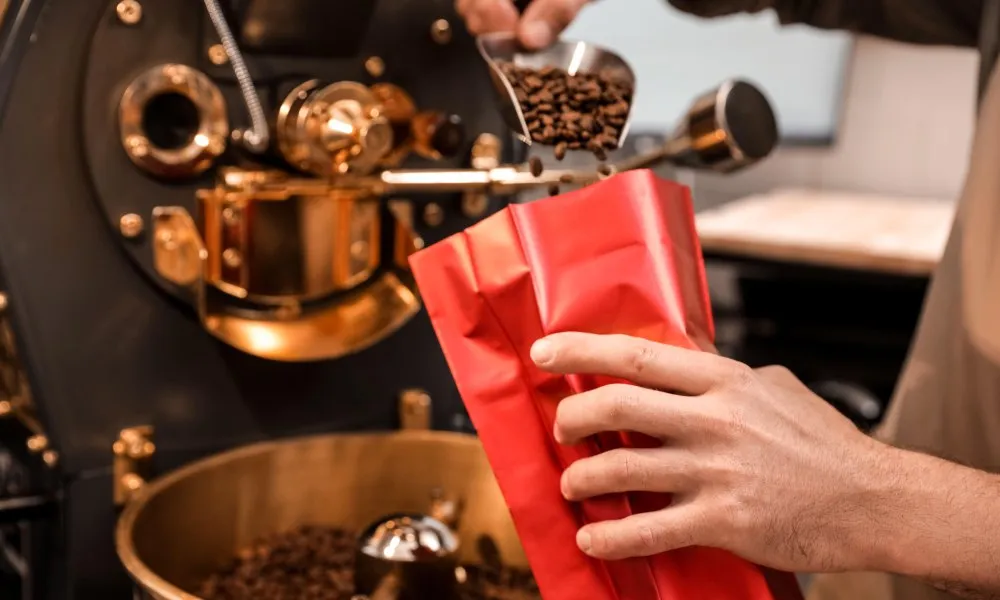
Private label roasting has become a strong choice for brands that want custom coffee without running their own roasting setup. These partners offer flexibility, speed, and branding support in ways traditional roasters usually cannot match. Understanding what makes them different helps businesses choose the right model for their goals.
Understanding the Role of Private Label Roasters
Private label roasters help businesses create coffee products under their own brand. They manage sourcing, roasting, and packaging based on the client’s requirements. This setup allows cafés, retailers, and online sellers to offer custom blends without buying roasting equipment. Traditional roasters focus primarily on promoting and selling their own branded coffee, limiting the level of customization they offer.
Customization and Flexibility
Private-label roasting gives brands several ways to shape their products.
- You can build flavor profiles that match your customer base.
- You can choose bean origins that support a signature taste.
- You can select grind sizes for different brewing needs.
- You can create blends that stay consistent across batches.
These features help brands stand out and deliver coffee that feels tailored.
Faster Production and Easier Scalability
Speed is a key advantage. Private label partners are designed to adjust volume quickly and maintain dependable supply schedules. They support bulk roasting, recurring orders, and flexible planning when demand rises. Traditional roasters may prioritize their own product lines, resulting in slower turnaround times for external clients.
Branding Support and Packaging
Private label roasters often help brands develop a complete retail-ready product.
- Guidance on packaging types and materials.
- Suggestions for label layout and design.
- Help with packaging rules and compliance.
- Support to keep branding consistent across product lines.
This assistance helps new brands enter the market smoothly and allows established ones to refresh their packaging without added pressure.
Quality Control and Sourcing
Quality plays a central role in private label roasting. These roasters study the client’s goals and select beans that match the target flavor profile. They follow strict roasting processes to ensure batch consistency. Traditional roasters also care about quality, but their sourcing decisions usually support their own branded lineup rather than custom needs.
Why Businesses Choose Private Label Partners?
Many companies choose private-label roasting because it allows them to offer a custom product without the cost of owning roasting equipment. Working with coffee roasters for private labels offers control over flavor, volume, and packaging while keeping operations simple and efficient. This approach also helps growing brands scale confidently as demand increases.
Key Advantages for Service-Driven Businesses
Service-based businesses like cafés and hospitality groups benefit the most from private-label roasting.
- It supports a steady supply during high demand.
- It removes the burden of running roasting equipment.
- It helps build blends that match customer preferences.
- It allows easy updates when taste trends shift.
As these businesses refine their offerings, many depend on coffee roasters for private labels to keep products consistent and appealing.
Conclusion
Private label coffee roasters offer customization, scalability, and branding support, setting them apart from traditional roasters. They help businesses offer unique coffee without handling roasting in-house, making this model a smart option for brands that want flexibility and dependable quality.