A Modern Approach to Straightening Teeth: The Rise of Aligners Braces

Orthodontics has undergone a remarkable transformation over the last few decades. Once dominated by metal brackets and wires, the field now offers a range of advanced solutions designed to improve both function and aesthetics. For many patients, the idea of straightening teeth without the bulky appearance of traditional braces has become a reality. With new techniques and technology, treatment today is more comfortable, precise, and tailored to individual needs.
What Are Aligners Braces?
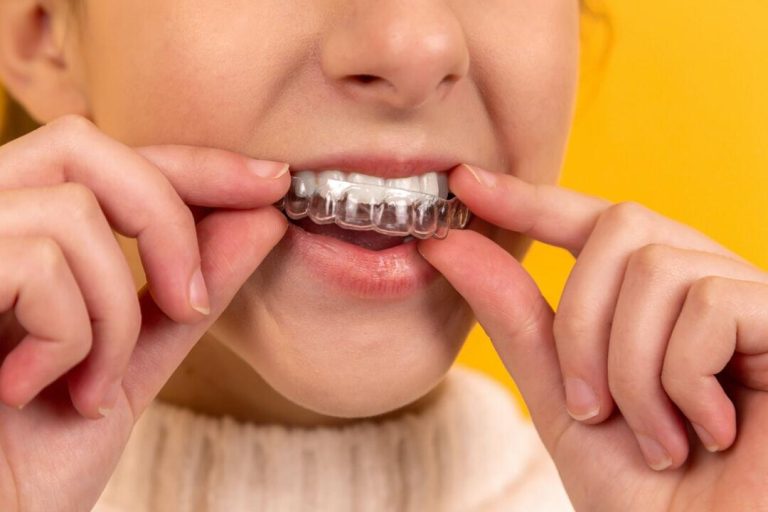
One of the most significant innovations in orthodontics has been the development of aligners braces. Unlike metal braces, these are clear, removable trays that gradually shift teeth into place. Custom-made for each patient, aligners apply controlled pressure to specific teeth over time. The process typically involves wearing a series of aligners, each slightly adjusted to continue the progress until the teeth reach their ideal position.
Aligners have become a preferred choice for people who value discretion, flexibility, and convenience in their treatment. Their nearly invisible design means individuals can maintain their natural appearance while improving their dental alignment.
Why Patients Prefer Aligners Over Traditional Braces
For many, the decision to choose aligners is influenced by lifestyle and comfort. Traditional braces, while effective, are often associated with dietary restrictions, difficulty in cleaning, and visible brackets that can affect confidence. Aligners eliminate many of these concerns:
- Aesthetic Advantage: Clear trays are almost unnoticeable, making them a discreet option.
- Comfort and Convenience: With no wires or sharp edges, aligners reduce irritation to the gums and cheeks.
- Removability: Patients can take them out while eating or brushing, ensuring greater freedom and easier oral hygiene.
- Fewer Restrictions: Enjoying favorite foods becomes possible since there are no brackets that can break or trap food.
This combination of benefits makes aligners an attractive choice, especially for adults and teenagers who want effective treatment without the social challenges of visible braces.
How Aligners Work
The process begins with a consultation and detailed imaging of the teeth. Using digital scans or impressions, orthodontists create a 3D model to map out the movement of teeth. A series of aligners is then produced, each slightly different from the last, to guide teeth gradually toward their correct positions.
Patients typically wear each aligner for one to two weeks before switching to the next set. For best results, aligners should be worn 20–22 hours a day. Treatment time varies depending on the severity of misalignment but generally ranges from 6 months to 2 years.
Common Dental Issues Treated with Aligners
Aligners are capable of addressing a wide range of orthodontic problems, including:
- Crowded teeth
- Gaps between teeth
- Overbite and underbite
- Crossbite
- Mild to moderate misalignment
For complex cases, traditional braces may still be recommended. However, advancements in aligner technology continue to expand their capabilities, making them suitable for more patients than ever before.
The Role of Discipline in Treatment Success
While aligners offer flexibility, they also demand responsibility. Because they are removable, patients must be disciplined about wearing them consistently. Skipping wear time can delay results or reduce the effectiveness of treatment. Developing the habit of wearing aligners throughout the day, and only removing them for meals and oral care, is key to achieving the desired outcome.
Challenges and Considerations
Although aligners have many advantages, they are not without challenges. Some patients may experience mild discomfort when switching to a new set, as the aligners apply fresh pressure to move the teeth. Speech may also be slightly affected at first, though this usually improves with practice. Additionally, because aligners are removable, there is always a risk of misplacing them, which could interrupt treatment progress.
Understanding these potential hurdles helps patients prepare for the commitment needed to complete their orthodontic journey successfully.
The Impact of Technology on Aligners Braces
Modern orthodontics heavily relies on technology, and aligners are a prime example. Advanced digital scanning allows orthodontists to create precise treatment plans and predict outcomes with accuracy. Patients can often preview a simulation of how their teeth will look after treatment, providing motivation and reassurance.
3D printing technology has also made the production of aligners more efficient and customized. Each aligner is crafted to fit the patient’s mouth perfectly, ensuring both comfort and effectiveness. These innovations highlight how orthodontics has embraced technology to provide better patient experiences.
Oral Health Benefits of Straightened Teeth
While aesthetics play a big role in choosing aligners, the health benefits are equally important. Properly aligned teeth are easier to clean, reducing the risk of plaque buildup, cavities, and gum disease. A balanced bite also distributes pressure evenly, preventing premature wear on teeth and reducing strain on the jaw. Over the long term, these improvements contribute to stronger oral health and fewer complications.
Life After Aligners
Completing treatment with aligners is a rewarding milestone, but it doesn’t mean the journey ends there. To maintain results, patients are usually advised to wear retainers at night. Retainers prevent teeth from shifting back into their original positions, ensuring the smile remains straight and stable. Consistent dental check-ups and proper oral hygiene further protect the investment made in orthodontic care.
The Psychological and Social Impact
The changes brought about by aligners extend beyond physical appearance. Many patients report feeling more confident, smiling more often, and engaging more comfortably in social and professional situations. This psychological boost can be just as transformative as the physical changes, reinforcing why aligners are such a popular choice for those seeking both health and confidence.
Conclusion
The introduction of aligners braces has reshaped the orthodontic landscape, offering patients an effective, discreet, and comfortable alternative to traditional treatments. By combining modern technology with patient-focused design, aligners provide solutions that align with today’s lifestyle needs. While discipline and commitment are essential for success, the rewards are substantial—improved oral health, enhanced confidence, and a lasting, beautiful smile.
For anyone considering orthodontic treatment, aligners represent a modern approach that blends science, aesthetics, and convenience into one remarkable solution.