Smarter Safety Starts Here: A Modern Guide to Digital Inspection Excellence

Modern workplace safety depends on fast reporting, consistent inspections, and real-time visibility into risks. Today’s digital safety platforms help organizations replace paperwork with automation, standardize inspections across locations, and turn field observations into actionable insights—making it easier to prevent incidents, stay compliant, and build safer operations at scale.
At the core of this transformation, Safety inspection software enables teams to digitize checklists, capture on-site data instantly, and manage corrective actions from a single platform—helping organizations move from reactive safety practices to proactive risk prevention.
Why Digital Safety Inspections Matter More Than Ever
Traditional safety inspections often rely on paper forms, spreadsheets, and delayed reporting. These manual methods create blind spots, slow down response times, and make it difficult for leadership to understand what is really happening on the ground.
Digital inspection tools solve these challenges by centralizing safety activities into one connected system. Inspectors can complete checklists on mobile devices, attach photos, and submit reports in real time. Managers gain instant visibility through dashboards, while corrective actions are assigned and tracked automatically.
This shift dramatically improves accountability and ensures that safety issues are addressed quickly—before they escalate into serious incidents.
Key Capabilities of Modern Safety Inspection Platforms
Not all safety tools are created equal. High-performing platforms share several essential features designed to support both field teams and decision-makers.
Mobile-First Inspections
Inspectors should be able to conduct audits directly from smartphones or tablets, even in low-connectivity environments. Offline functionality with automatic syncing ensures inspections continue without interruption.
Customizable Checklists
Every organization has unique safety requirements. Flexible templates allow teams to design inspections for equipment checks, site walkthroughs, hazard assessments, or compliance audits—without needing technical expertise.
Real-Time Reporting and Dashboards
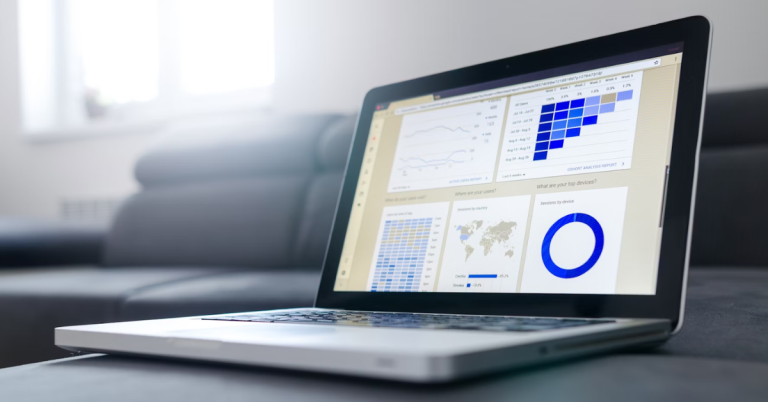
Live dashboards provide instant insight into inspection results, recurring issues, and compliance trends. This helps leaders identify problem areas and prioritize improvements quickly.
Photo and Evidence Capture
Built-in photo and annotation tools allow inspectors to document hazards clearly, speeding up approvals and reducing misunderstandings.
Corrective Action Tracking
Finding issues is only half the process. Effective platforms allow users to assign tasks, set deadlines, and monitor progress until every concern is resolved.
How Safety Inspection Software Improves Business Performance
Beyond protecting employees, digital safety inspections deliver measurable business benefits.
Faster Issue Resolution
Automated workflows eliminate manual follow-ups, reducing the time it takes to close safety gaps.
Improved Compliance Readiness
All inspection records are stored securely in the cloud, making audits simpler and ensuring documentation is always available.
Greater Team Accountability
Every inspection and corrective action is time-stamped and assigned, creating transparency across departments.
Reduced Operational Costs
By preventing repeat incidents and minimizing downtime, organizations often see rapid returns on their safety investments.
Data-Driven Decision Making
Historical inspection data reveals trends that help leadership allocate resources, improve training, and strengthen processes.
Industries Benefiting Most from Digital Safety Inspections
While nearly any organization can benefit, several sectors see especially strong impact.
Manufacturing
Factories use digital inspections to reduce injuries, improve machine safety, and maintain quality standards. Early detection of hazards prevents costly shutdowns and rework.
Construction and Infrastructure
Project teams manage site safety, contractor compliance, and hazard reporting across multiple locations, improving coordination and reducing accidents.
Energy and Utilities
Field crews rely on mobile inspections to document asset conditions, ensure regulatory compliance, and protect critical infrastructure.
Facilities and Property Management
Routine safety checks, maintenance inspections, and environmental monitoring become easier to manage through centralized dashboards.
Best Practices for Implementing Digital Safety Inspections
Successful adoption requires more than just choosing the right tool.
Start by digitizing your most common inspection workflows. Involve frontline teams early to ensure templates reflect real working conditions. Provide focused training and appoint internal champions to support adoption.
Review dashboard insights regularly to identify trends and improvement opportunities. Most importantly, treat safety inspections as part of a continuous improvement cycle—not a one-time compliance task.
Small, consistent enhancements often deliver greater long-term results than major one-off changes.
The Future of Safety Inspections: Automation and Intelligence
Safety technology continues to evolve rapidly. Artificial intelligence is beginning to assist with image recognition, anomaly detection, and predictive maintenance. Advanced analytics help organizations anticipate risks before they occur, while smarter mobile interfaces make field reporting faster and more accurate.
As these innovations mature, safety inspections will become increasingly proactive—shifting from simple checklists to intelligent systems that actively support operational excellence.
Connecting Inspections to Organization-Wide Safety Goals
Inspections generate valuable frontline data, but real impact comes when that data flows directly into broader safety workflows. When inspection findings automatically trigger corrective actions, update dashboards, and inform leadership decisions, organizations achieve true end-to-end visibility.
In this connected environment, an Inspection management system becomes a powerful extension of your safety strategy, linking on-site observations with enterprise-level performance metrics and ensuring that every issue leads to meaningful improvement.
Final Thoughts
Digital safety inspections are no longer optional for organizations that care about employee well-being, compliance, and operational efficiency. By replacing fragmented manual processes with a unified platform, teams gain real-time visibility, stronger accountability, and actionable insights across every site.
Whether you operate in manufacturing, construction, energy, or facilities management, adopting modern safety inspection software lays the foundation for safer workplaces and smarter decisions—today and in the years ahead.