Sterile Packaging Explained: Materials, Methods, and Compliance Must-Knows
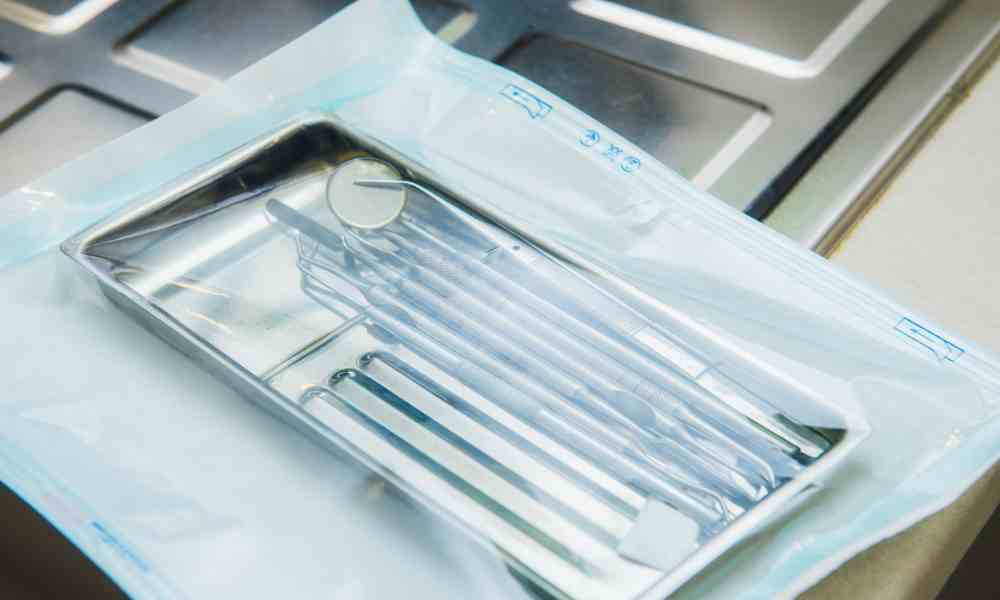
In healthcare and pharmaceuticals, product sterility determines safety and success. Whether it’s a surgical instrument or an injectable drug, every item must reach the user free from contamination. That’s where sterile packaging becomes vital; it maintains sterility, product quality, and patient safety from production to point of use.
Understanding Sterile Packaging
Sterile packaging involves materials and techniques that create a microbial-free barrier around medical or pharmaceutical products. It prevents contamination by microorganisms and protects against external factors such as humidity, light, and temperature changes.
The choice of packaging depends on product type, sterilization method, and compliance requirements. For instance, radiation-sterilized products require materials that can withstand high-energy exposure without losing seal integrity. In short, sterile packaging acts as the first layer of defense for critical healthcare products.
Common Materials Used in Sterile Packaging
Selecting the right material is crucial because it ensures product integrity throughout storage, transport, and sterilization. Common materials include:
- Medical-grade paper: Allows gas sterilization while maintaining sterility afterward.
- Plastic films (polyethylene and polypropylene): Offer flexibility and puncture resistance.
- Tyvek® (high-density polyethylene fiber): Provides excellent microbial barrier and tear strength.
- Foil laminates: Protect sensitive items from light and moisture.
Each of these materials serves specific functional needs, balancing safety, usability, and cost. The goal is to choose a material compatible with the sterilization process and the product’s chemical composition.
Methods of Sterile Packaging
Several sterilization methods are used depending on the product’s sensitivity and design. These methods define how effectively the sterile barrier system performs:
- Ethylene Oxide (EtO) Sterilization: Ideal for temperature-sensitive products; the gas penetrates packaging without damage.
- Steam Sterilization: Common for reusable instruments; packaging must withstand heat and humidity.
- Gamma Radiation: Suitable for large batches of prepackaged goods.
- Hydrogen Peroxide Plasma: A low-temperature method perfect for electronic or heat-sensitive devices.
Each technique ensures that the packaging remains sealed, sterile, and structurally sound until opened. Choosing the correct method prevents product degradation and maintains sterility assurance levels.
Compliance and Regulatory Standards
Compliance is the backbone of sterile packaging. Regulatory bodies such as the U.S. Food and Drug Administration (FDA) and the International Organization for Standardization (ISO 11607) define testing protocols for seal strength, microbial barrier performance, and aging stability.
Manufacturers must document and validate every process, right from sterilization parameters to final package inspection, to meet these standards. Thorough documentation also simplifies audits and ensures transparency across the supply chain.
Best Practices for Manufacturers
To maintain uniform quality and safety, manufacturers should follow a few critical best practices:
- Validate sterilization and sealing procedures.
- Conduct integrity and stability tests periodically.
- Maintain traceability from raw materials to final delivery.
By following these steps, companies strengthen their compliance record and ensure patient trust in their products.
Conclusion
Sterile packaging is far more than a technical requirement; it’s a promise of safety, reliability, and performance. When manufacturers select appropriate materials, apply the proper sterilization methods, and follow global standards, they protect both patients and brand reputation. In an industry built on precision, sterile packaging remains a critical safeguard for every life-saving product.