
Understanding the True Cost of Building a Garage in 2026
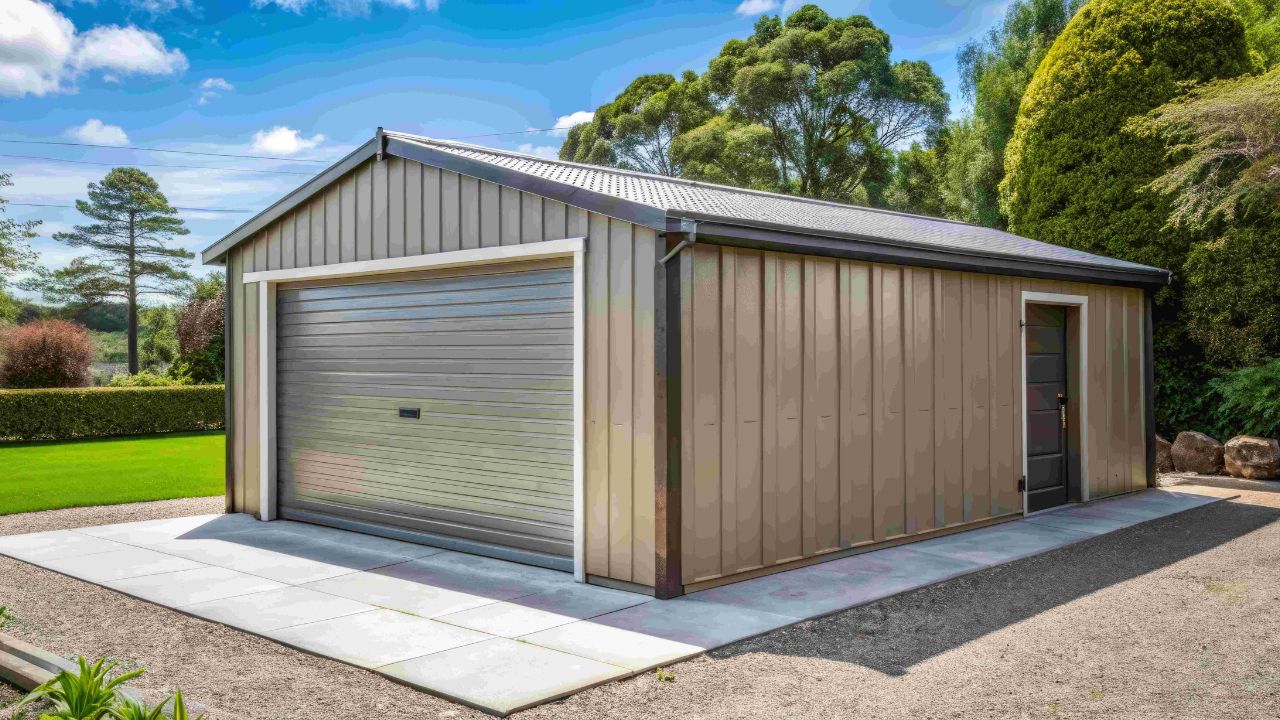
Constructing a garage is one of the smartest ways to enhance your home’s functionality and value. Beyond sheltering vehicles, a well-designed garage provides storage, workspace, and protection against weather and theft. However, estimating the total cost can be challenging due to numerous variables, including size, materials, labor, and location.
Planning Your Garage Budget
If you’ve been wondering how much does It cost to build a garage today, you’re not alone. Many homeowners struggle to predict costs because garage construction involves multiple components. From foundation and framing to doors, roofing, and finishes, every decision affects your final budget. Resources like My Next House Project provide detailed insights and practical guidance to help you make informed choices and plan your project efficiently.
Understanding the main cost drivers—size, design, materials, labor rates, and optional features—allows you to anticipate expenses and avoid surprises.
Key Factors Affecting Garage Construction Costs
Garage Size and Vehicle Capacity
The size of your garage is the most significant determinant of cost. A single-car garage requires fewer materials and labor, whereas a three-car or custom garage demands significantly more resources. Typical price ranges in 2026 include:
- Single-car garage: $8,600 – $50,000+
- Two-car garage: $19,600 – $28,200
- Three-car garage: $28,200 – $42,700+
Adding storage lofts, workshop space, or high ceilings increases the functionality but also raises construction costs.
Attached vs. Detached
Attached garages share at least one wall with the main house, which reduces labor and material costs. Detached garages require independent foundations, roofing, and utility connections, adding to the overall expense but offering more design flexibility.
Material Choices
The type of material you select affects both cost and longevity. Common garage materials include:
- Metal Buildings: $15 – $35 per square foot; affordable and quick to assemble
- Vinyl Siding: Cost-effective and low maintenance
- Wood Framing: Offers customization and a traditional look
- Brick or Cinderblock: Durable, premium, ideal for long-term use
Roofing materials, windows, doors, and finish options further influence cost. While premium materials raise upfront expenses, they often reduce maintenance needs and enhance durability over time.
Regional Price Variations
Location plays a critical role in overall construction costs due to labor rates, permit fees, and site conditions:
- Midwest & Plains: $10,000 – $30,000; lower labor and material costs
- Interior West / Mountain Regions: $20,000 – $40,000+; terrain and remote sites can increase costs
- Northeast / Coastal Areas: $30,000 – $60,000+; higher labor, complex building codes, and site preparation
Consulting resources like My Next House Project can help you understand regional pricing and connect with reliable contractors.
Garage Cost Breakdown
Basic 1-Car Garage
- Materials: $6,000 – $12,000
- Labor: $4,000 – $10,000
- Total: $10,000 – $22,000
Standard 2-Car Garage
- Materials: $12,000 – $25,000
- Labor: $8,000 – $20,000
- Total: $20,000 – $45,000
Premium 3-Car or Custom Garage
- Materials: $20,000 – $40,000+
- Labor: $15,000 – $50,000+
- Total: $35,000 – $90,000+
These ranges provide a realistic view of what homeowners might expect when planning a garage in 2026.
Example Garage Builds
- Prefab Metal Garage Kit (24×24): Materials $8,000 – $12,000; labor/foundation $6,000 – $10,000
- Standard 2-Car Detached Garage (20×24): Total $20,000 – $30,000
- 3-Car Custom Garage with Loft (30×36): Total $50,000 – $90,000+
A mid-range 2-car detached garage costing $25,000 – $40,000 usually provides the best balance of affordability, usability, and long-term value.
Step-by-Step Garage Construction
Step 1: Define Needs and Budget
Identify vehicle capacity, storage requirements, and whether the garage should be attached or detached. Planning ahead helps prevent overspending and ensures functional design.
Step 2: Site Preparation and Foundation
Clear and level the site, then pour a concrete slab. Costs depend on soil conditions, slab thickness, and reinforcement.
Step 3: Framing and Roofing
Construct walls, install roof trusses, and add sheathing and roofing. Material and labor costs are significant during this stage.
Step 4: Doors, Windows, and Utilities
Install garage doors, side doors, windows, and electrical systems. Optional insulation or HVAC systems can enhance comfort and usability.
Step 5: Exterior Finishing
Apply siding, paint, trim, and roofing details. High-quality finishes increase both durability and curb appeal.
Step 6: Final Inspection and Cleanup
Complete all inspections, install gutters, connect the driveway, and clean the site to finish the project.
Pros and Cons of Garage Construction
Pros:
- Protects vehicles from weather and theft
- Provides storage and functional workspace
- Increases home value and resale appeal
Cons:
- High upfront construction costs
- Regional or site challenges may increase expenses
- Over-customization can lead to overspending
Cost-Saving Tips
- Stick to standard sizes and designs
- Use cost-effective, durable materials
- Compare quotes from multiple contractors
- Phase upgrades instead of adding everything at once
Planning and contractor recommendations can be found on My Next House Project.
Conclusion
Building a garage in 2026 is an investment that enhances both convenience and property value. Costs vary widely depending on size, materials, design, and location. A small 1-car garage can cost $10,000 – $22,000, a standard 2-car garage $20,000 – $45,000, and a premium 3-car or custom garage $35,000 – $90,000+.
For most homeowners, a mid-range 2-car detached garage costing $25,000 – $40,000 offers an ideal balance between cost, functionality, and long-term value. Using trusted resources like My Next House Project ensures your project is planned well and executed efficiently, giving you a garage that serves your needs for years to come.