
Upgrading Existing Sinks Into Wudu Sinks with Foot Wash
Understanding the Need for an Upgrade
Many mosques, Islamic centers, and prayer facilities operate with older sink setups that were not originally designed for wudu. While these sinks may still function, they often lack features that support proper foot washing, splash control, and user comfort. Upgrading existing units into fully functional wudu sinks enhances cleanliness, improves safety, and provides a more respectful environment for performing ablution.
Assessing Your Current Infrastructure
Before planning any upgrades, it is important to evaluate the existing plumbing layout, water pressure, drainage systems, and available space. Older washrooms may not support modern fixtures without minor adjustments. By reviewing the structure in advance, facility managers can determine whether a simple retrofit is sufficient or whether a more comprehensive update is necessary.
Choosing the Right Type of Wudu Upgrade
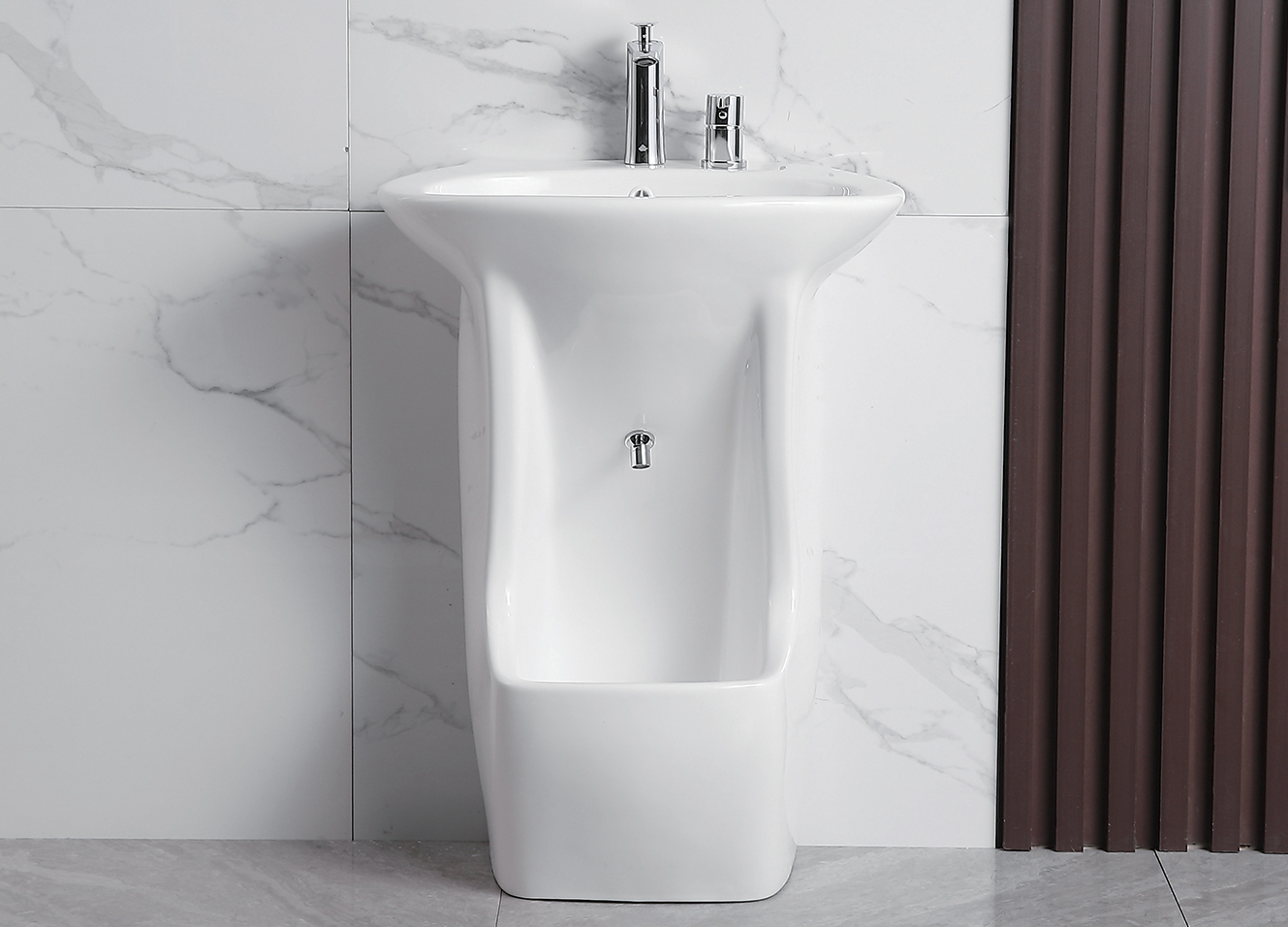
A practical way to modernize a traditional sink setup is by integrating a Wudu sink with foot wash that combines both hand and foot washing in a single, compact unit. This option reduces the need for multiple fixtures and provides a purpose-built solution that aligns with ablution requirements. Its integrated design ensures water flows directly into the appropriate drainage areas, minimizing mess and making the space easier to maintain.
Retrofitting vs. Full Replacement
Depending on the condition of the existing fixtures, two approaches are possible.
Retrofitting involves adding attachments, adjusting heights, or installing foot-washing accessories around the current sink. This solution is cost-effective but may not deliver the long-term durability or efficiency of a dedicated unit.
Full replacement, on the other hand, offers a more permanent improvement. By installing a specialized wudu sink, facilities can benefit from features such as ergonomic design, solid-surface construction, and integrated splash control.
Improving Accessibility and User Comfort
An upgraded wudu space should accommodate users of all ages and physical abilities. Adjustable faucet placement, step-free foot-wash zones, and comfortable heights all contribute to a smoother experience. Modern units also reduce strain on the body by allowing users to wash their feet without bending excessively or risking slips on wet floors.
Enhancing Hygiene and Cleanliness
Traditional sinks often struggle to contain splashing, which leads to wet floors and increased cleaning requirements. Dedicated wudu sinks are designed with angled basins and deeper foot-washing sections that limit water spills. This not only improves hygiene but also lowers the likelihood of mold or water damage around the fixture.
Ensuring Proper Plumbing Support
Any upgrade must align with the existing plumbing capacity. Efficient drainage and appropriate water pressure are key to preventing blockages and maintaining a consistent water flow. A professional installer can verify whether modifications such as larger drain pipes or improved sealing are necessary to support the new unit.
Reducing Long-Term Maintenance
Upgrading to a modern wudu sink helps reduce future repair needs. Solid-surface materials resist cracks and stains, while integrated designs eliminate weak points that could cause leaks. This reduces maintenance frequency, lowers operational costs, and provides a more reliable setup for heavy daily use.
Conclusion
Transforming traditional sinks into effective wudu sinks with foot-wash capabilities is a meaningful investment for any prayer facility. By selecting the right upgrade approach, enhancing user comfort, and ensuring proper installation, facilities can create cleaner, safer, and more efficient wudu areas. These improvements support both the spiritual and practical needs of worshippers while reducing long-term maintenance burdens.