
What Factors Move the Bitcoin Price Up or Down
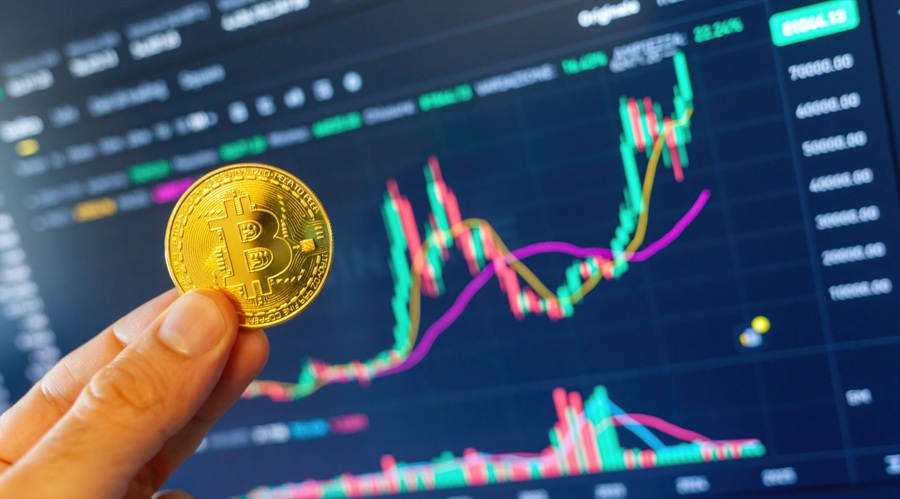
The world’s first cryptocurrency has built a reputation for unpredictable price swings. Sometimes it surges within hours; other times, it falls just as fast. Understanding what drives these moves helps explain why Bitcoin price rarely stays quiet for long. The influences range from technical events to human emotion, and their mix changes constantly.
The most visible factor is market sentiment. When investors feel confident about the economy or see signs of institutional interest, demand rises quickly. Social media, news outlets, and analysts amplify excitement, drawing in more buyers. The same channels spread fear during downturns. A sudden negative headline can spark sell-offs even before fundamentals shift. This emotional loop keeps volatility high and attention constant.
Supply and demand mechanics also matter. New coins enter circulation through mining at a predictable rate, and that rate drops roughly every four years in an event known as the halving. Each reduction cuts supply growth, often creating long-term upward pressure if demand stays steady. However, traders sometimes anticipate these events early, leading to price rallies months before the actual change.
Global liquidity conditions shape broader trends. In times of easy credit and strong stock markets, investors show more appetite for risky assets. Bitcoin price often rises alongside technology stocks when capital flows freely. When interest rates increase or economic uncertainty grows, speculative investments tend to lose momentum. These connections show how tightly digital markets link with traditional finance.
Institutional activity continues to play a growing role. Large funds, payment companies, and even governments influence sentiment with each announcement. The launch of a regulated exchange-traded fund, for example, can trigger optimism and new inflows. On the other hand, a corporate sale or restriction can create sharp drops. Institutions add depth to markets but also magnify reactions when they move together.
Technical factors inside the network can sway confidence. When transaction fees rise or network congestion slows confirmations, users become frustrated. Improvements such as faster processing or second-layer solutions restore trust and attract fresh interest. Developers monitor stability closely, knowing that reliability supports value. A functioning network reassures both everyday users and investors holding large positions.
Regulation remains a double-edged sword. Supportive policies from major economies usually boost credibility and adoption. Harsh rules or tax uncertainty have the opposite effect, especially in emerging markets where digital currencies already face scepticism. Traders watch statements from central banks and financial agencies because even small policy hints can shift momentum.
Media coverage and online narratives multiply these movements. Influencers and industry figures often drive attention to new themesenergy usage, adoption in specific countries, or political statementsthat temporarily dominate discussions. Each theme creates new buying or selling pressure, turning headlines into short-lived trading signals.
Security and trust add another dimension. Exchange hacks, wallet vulnerabilities, or major scams quickly undermine confidence. Over the years, stronger infrastructure and better regulation have reduced these risks, but fear still lingers whenever new incidents appear. The opposite is also true: improvements in custody and transparency reassure investors, helping recover prices after declines.
Another subtle factor comes from long-term holders, often called “whales.” When they decide to move coins, markets notice. Large transfers between wallets can spark speculation about intentwhether they plan to sell or reorganise holdings. Even when no sale follows, the anticipation alone affects trading behaviour.
Finally, adoption trends sustain the bigger picture. Merchants, remittance services, and fintech platforms accepting Bitcoin create real demand beyond speculation. Every new use case adds weight to the narrative of digital money that operates globally. These practical applications may not drive sharp moves instantly but strengthen the foundation beneath market cycles.
In summary, Bitcoin price responds to a web of influences: emotional, economic, and technical. No single factor dominates for long. The blend of limited supply, institutional interest, global liquidity, and human behaviour makes prediction difficult but keeps the asset compelling.