
When Your Jaw Won’t Open: Understanding Causes and Solutions for Jaw Locking
A jaw that suddenly feels stuck can be frightening and painful. Whether it happens while yawning, chewing, or speaking, a locked jaw can interfere with basic daily activities and cause significant discomfort. Many people experience jaw locking at least once in their lives, yet few understand why it happens or how it should be treated properly.
Jaw locking is not a condition on its own but a symptom of underlying muscular, joint, or alignment issues. Understanding its causes and available solutions is the first step toward restoring normal jaw movement and preventing future episodes.
What Does a Locked Jaw Mean?
Seeking proper locked jaw treatment is important because a locked jaw often signals dysfunction within the jaw joint or surrounding muscles. The jaw may feel stuck open, closed, or partially restricted, sometimes accompanied by pain, clicking sounds, or stiffness.
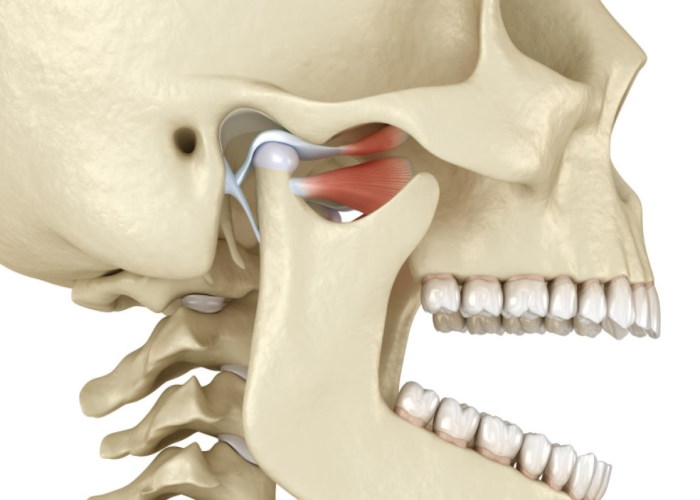
Jaw locking usually involves the temporomandibular joints (TMJ), which connect the lower jaw to the skull. These joints rely on a delicate balance of muscles, ligaments, and cartilage. When that balance is disturbed, smooth movement becomes difficult, leading to temporary or persistent locking.
Common Causes of a Locked Jaw
A locked jaw can develop for several reasons, ranging from mild muscle tension to more complex joint problems. One of the most common causes is temporomandibular joint disorder, where inflammation or disc displacement interferes with normal joint movement.
Muscle spasms caused by stress, anxiety, or excessive jaw use can also restrict movement. Teeth grinding or clenching places constant pressure on the jaw, increasing the risk of muscle fatigue and joint strain. In some cases, trauma, arthritis, or sudden wide opening of the mouth can trigger jaw locking.
Symptoms That Often Accompany Jaw Locking
Jaw locking rarely occurs in isolation. Many people experience additional symptoms that provide clues about the underlying problem. These may include jaw pain or tenderness, facial soreness, headaches, ear pain, or clicking and popping sounds during jaw movement.
Some individuals notice stiffness in the morning or difficulty chewing certain foods. In more severe cases, the jaw may lock repeatedly, causing anxiety and fear of normal activities like yawning or eating.
Why Jaw Locking Should Not Be Ignored
Occasional jaw stiffness may resolve on its own, but recurring or persistent jaw locking should never be ignored. Repeated episodes can worsen joint inflammation, increase muscle imbalance, and lead to chronic pain.
Ignoring the problem may also cause compensatory habits, such as chewing on one side or limiting jaw movement, which can further strain the muscles and joints. Early intervention helps prevent these patterns from becoming long-term issues.
The Role of Jaw Alignment and Bite Issues
Jaw alignment plays a critical role in smooth movement. When the teeth do not meet properly, uneven pressure is placed on the jaw joints and muscles. Over time, this imbalance can lead to disc displacement, muscle overuse, and restricted motion.
Bite issues may result from missing teeth, uneven dental work, orthodontic changes, or long-standing grinding habits. Addressing alignment problems is often essential for resolving jaw locking and preventing recurrence.
Stress and Muscle Tension as Hidden Triggers
Stress is a major but often overlooked contributor to jaw problems. Many people clench their jaws unconsciously during stressful situations or grind their teeth at night. This constant muscle activity reduces blood flow, increases fatigue, and makes the muscles more prone to spasm.
Muscle-related jaw locking may feel sudden and intense, often improving temporarily with rest or warmth. However, without addressing the underlying tension, episodes may continue to return.
How a Locked Jaw Is Diagnosed
Proper diagnosis involves more than simply identifying jaw pain. A thorough evaluation typically includes assessing jaw movement, listening for joint sounds, examining muscle tenderness, and checking bite alignment.
In some cases, imaging may be used to evaluate joint structure and rule out conditions such as arthritis or disc displacement. A comprehensive approach helps ensure that treatment targets the true cause rather than just relieving symptoms.
Treatment Approaches for a Locked Jaw
Treatment for a locked jaw depends on the underlying cause and severity. Non-invasive options are usually recommended first and may include jaw exercises, muscle relaxation techniques, and lifestyle adjustments to reduce strain.
Custom oral appliances are often used to support the jaw, reduce pressure on the joints, and prevent grinding or clenching. These devices are designed to improve alignment and allow the jaw to rest in a more natural position during sleep.
In cases involving muscle tension, targeted therapy may help restore flexibility and reduce spasms. Treatment plans are typically personalised to address both symptoms and contributing factors.
Daily Habits That Support Jaw Recovery
Simple changes in daily habits can play a powerful role in recovery. Avoiding hard, chewy, or sticky foods reduces stress on the jaw. Cutting food into smaller pieces and chewing evenly on both sides can also help.
Maintaining good posture, especially during screen use, reduces strain on the neck and jaw muscles. Stress management techniques such as breathing exercises, gentle stretching, and adequate sleep further support muscle relaxation and joint health.
Preventing Future Jaw Locking Episodes
Prevention focuses on maintaining balance within the jaw system. Regular monitoring of bite alignment, managing stress, and addressing grinding habits early can significantly reduce the risk of recurrence.
Being mindful of jaw movements, avoiding excessive mouth opening, and seeking timely care at the first sign of discomfort can prevent minor issues from becoming chronic problems.
Living Comfortably With Healthy Jaw Movement
A locked jaw can be distressing, but it is often manageable with proper care and awareness. Understanding the underlying causes empowers individuals to take control of their symptoms rather than adapting to ongoing discomfort.
With a tailored treatment approach and supportive daily habits, most people can restore normal jaw movement, reduce pain, and regain confidence in everyday activities.
Final Thoughts
Jaw locking is a warning sign that the jaw system is under stress. While occasional stiffness may resolve naturally, recurring or painful locking requires professional evaluation and targeted care.
By addressing the root causes and following a structured treatment plan, individuals can protect their jaw health and prevent long-term complications. Prioritising jaw care today can lead to lasting comfort, mobility, and peace of mind tomorrow.