Why Quality Control in China Is Critical for Your Import Business Success?
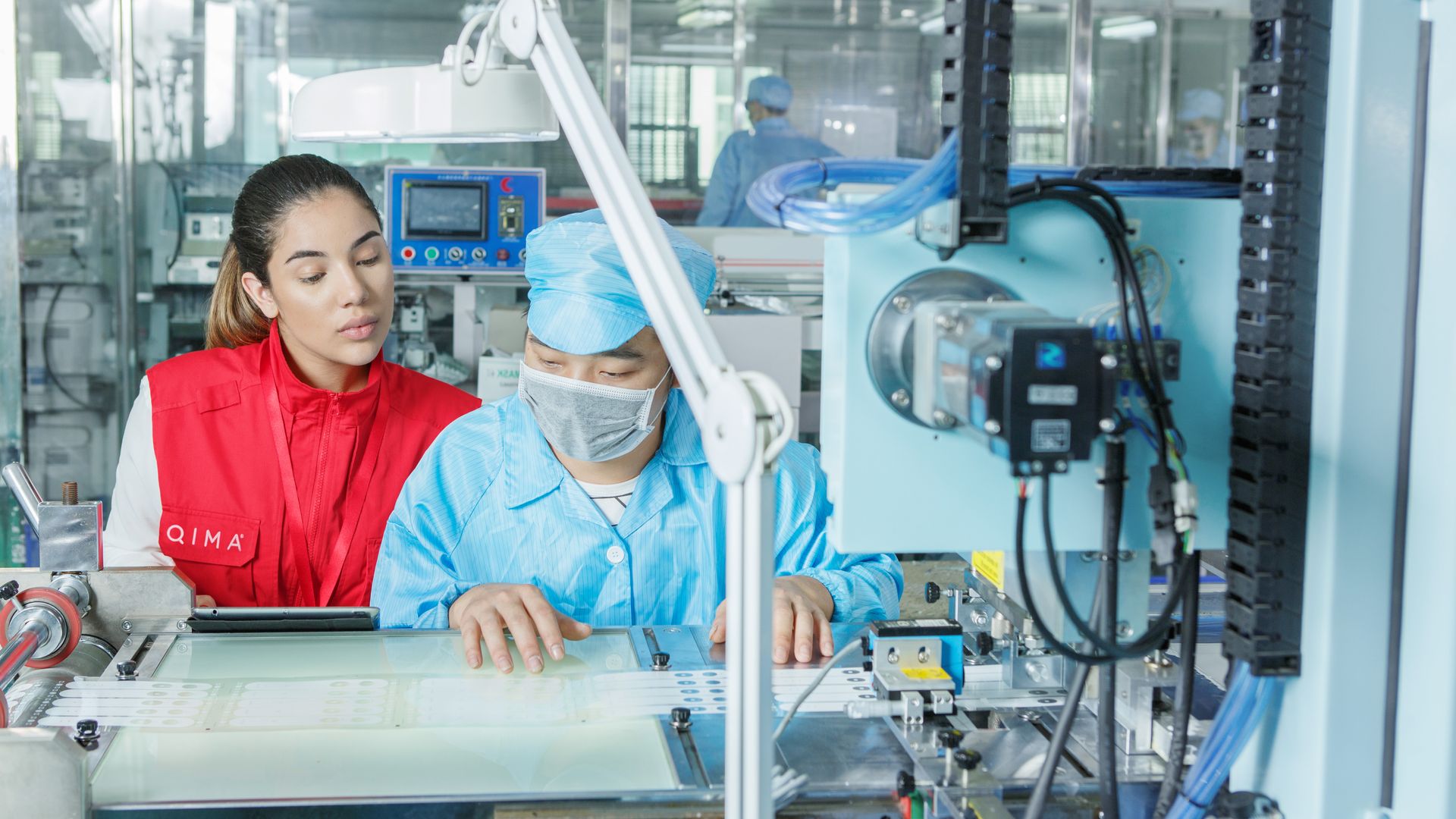
Importing products from China offers excellent opportunities for growth, affordability, and access to large-scale manufacturing. However, the advantages also come with challenges that can affect the success of your import business. This is why Quality Control in China is essential. Proper quality assurance ensures that your products meet industry standards, customer expectations, and your brand requirements before they ever leave the factory.
1. Ensures Product Consistency and Reliability
Consistency is one of the most important elements in any import operation. Quality control helps verify that every unit matches the specifications you approved. By inspecting materials, dimensions, functionality, and overall workmanship, you reduce problems related to defects or inconsistencies. This consistency keeps customers satisfied and strengthens your brand reputation in competitive markets.
2. Prevents Costly Delays and Unexpected Losses
When issues go unnoticed until products reach your country, the cost of fixing them is far higher. Poorly made or noncompliant products can result in lost shipments, delays, rework fees, or entire batches being rejected. Quality Control in China identify problems early, allowing manufacturers to correct issues before mass production continues. This preventive approach saves you time, money, and stress.
3. Protects Your Brand Reputation
Customers expect high-quality products no matter where they are manufactured. A single batch of defective goods can damage trust and hurt your long-term business growth. Conducting thorough quality control helps ensure that your products meet the standards your customers rely on. The stronger your product quality, the more likely you are to earn repeat business and positive reviews.
4. Helps You Comply with International Standards
Different countries have specific standards for safety, materials, labeling, and environmental compliance. Products that do not meet these rules can be held at customs, returned, or even banned from sale. Quality Control in China includes verifying compliance with these regulations before the product ships. This reduces the risk of legal complications and keeps your supply chain moving smoothly.
5. Builds Better Relationships with Manufacturers
Working with Chinese factories becomes more efficient when both sides have a clear understanding of quality expectations. Regular inspections, clear communication, and documented standards help create transparency and accountability. This leads to better cooperation, improved production results, and a stronger long-term partnership with your suppliers.
6. Reduces the Risk of Counterfeit or Substandard Materials
Some manufacturers may try to cut costs by using cheaper materials or components. Without proper oversight, you may not notice the substitution until customers start reporting issues. Quality control inspections verify that materials used in production match what was agreed upon. This level of oversight protects your products from hidden shortcuts that could impact safety, durability, and performance.
7. Supports Scalable and Sustainable Growth
As your business expands, so does your need for reliable supply chains. Quality control ensures that production can scale without sacrificing standards. With consistent inspections and auditing systems, you can grow with confidence and avoid the challenges that come from increased production volume.
Conclusion
Quality Control in China is not simply a recommended step. It is a critical investment for any import business that wants to protect its brand, reduce risk, and build long-term success. By ensuring that every product meets your standards before it ships, you strengthen your business foundation and create a dependable supply chain that supports your growth for years to come.